Why Does the Basque Country Produce So Many Top Coaches?
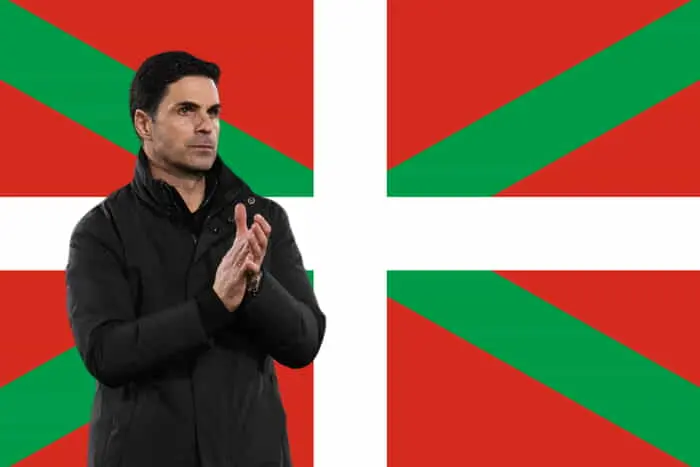
The Basque Country is a small corner of Europe, made up of seven provinces straddling the border between northern Spain and southwestern France.
With a totally unique culture and a fascinating history (the Basque Country was the last area of Europe to be Christianised and the genetic roots of its people are distinct from both France and Spain), this region is famed for its food, its landscapes, and of course, its football.
A fierce passion for the beautiful game can be found amongst the people of the Basque Country, particularly around cities on the Spanish side like San Sebastián and Bilbao.
And in recent years, these same communities have garnered a reputation for producing a jaw-dropping number of world-class coaches, operating at the very top of the global game.

In the modern era, Spain has become renowned for its coach production line, with excellent tacticians and motivators emerging from all over the nation.
However, the concentration of talent in the Basque region (which has some level of autonomy from Spain in terms of governance) is quite remarkable.
Despite this territory representing just 1.4% of the land mass of Spain and only 4.6% of the population, teams from the Basque Country represent 20% of La Liga, and coaches like Unai Emery, Mikel Arteta, Andoni Iraola, Xabi Alonso and noteworthy Pep Guardiola assistant Juanma Lillo have all hailed from the region.
In fact, every one of these men were brought up in the small district of Gipuzkoa, near San Sebastián. It begs the question: what is so special about football culture in the Basque Country, and why does this small region produce so many excellent coaches?
Why are there so many top-level coaches from the Basque Country?
The list of top-level modern coaches from the Basque Country is rich and varied. It includes Champions League operators like Arteta, Alonso and Emery, and exciting up-and-comers like Iraola.
There are experienced managers like Julen Lopetegui, former Real Sociedad boss Imanol Algacuil, and Europa League and Conference League-winning Olympiacos manager Jose Luis Mendilibarand.
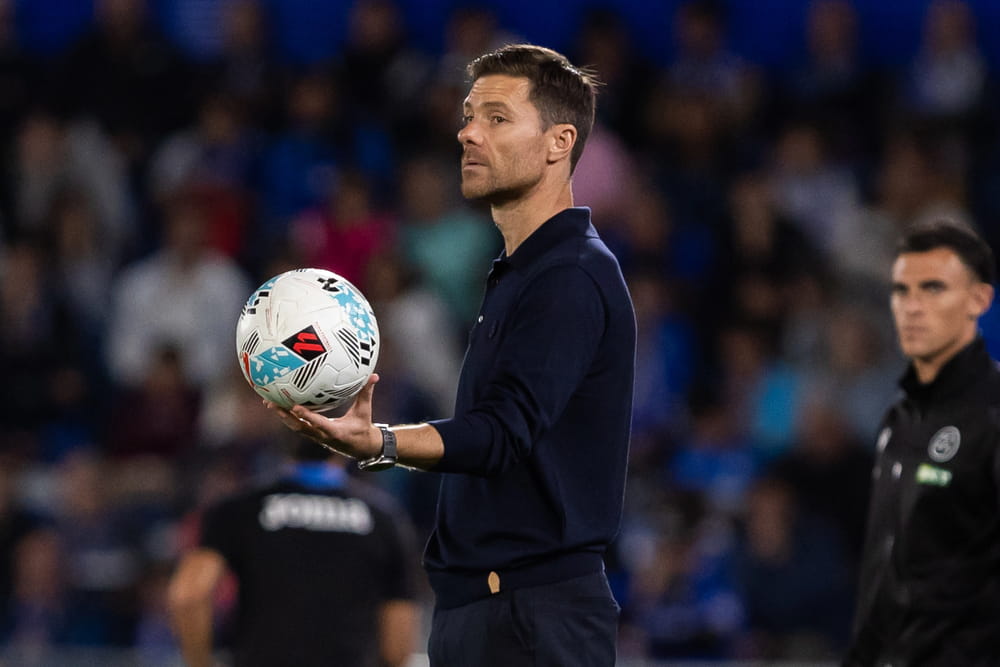
On top of that, well-known assistants and directors like Juanma Lillo and ex-Man City sporting director Txiki Begiristain also grew up in the Basque Country.
How exactly did this region become so influential in modern football? In order to explain, we’ve mapped out a few key things that make Basque football special.
#1. Regional Pride & Developmental Focus
These two points go hand in hand, as Basque clubs like Athletic Bilbao and Real Sociedad have a long tradition of prioritising local players, all the way from youth teams to senior starting lineups.
While Bilbao are famed for exclusively playing Basque players, Sociedad also have a strong record on this front, typically aiming for an XI with around 80% Basque players.
This tradition, coupled with the fact that both clubs remain fan-owned to this day, helps foster a huge sense of pride in these regional clubs and their ability to produce talent.
In turn, the fact that there is a constant need to train up young Basque players and help them reach their potential creates demand for skilled local coaches.
Given that most professional managers transition to coaching after their playing career ends, the numbers therefore favour the Basques, as the emphasis on honing regional talent creates a large pool of people ready to transition into coaching when the time comes.
#2. The Heightened Level of Spanish Coaching
For some time, Spain has been regarded as a nation capable of producing top-class coaches, but in recent years the performance of Spanish coaches in the men’s game has become even more impressive.
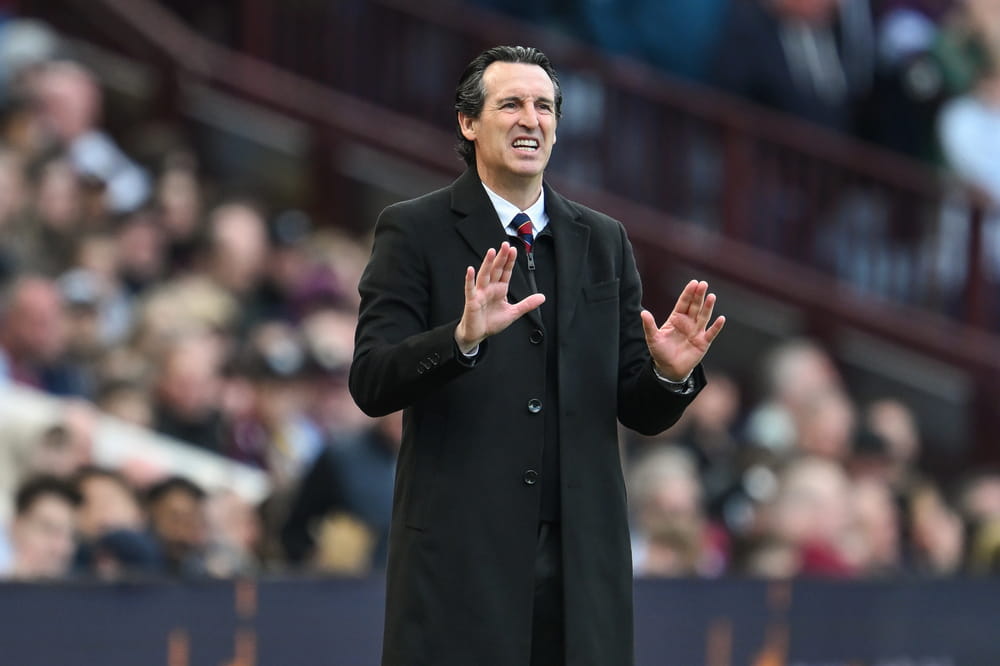
Two of the last three Champions League winners hail from Spain (Luis Enrique and Pep Guardiola), while the Europa League was won by a Spaniard on seven occasions between 2013 and 2023 (with Unai Emery triumphing an incredible four times during this period).
Meanwhile, the most recent men’s European Championship tournament saw Spaniard Luis De La Fuentes guide his team all the way to glory, and across Europe’s top five leagues, there’s an abundance of high-level managers who grew up in Spain.
Partly, this is down to the sheer number of professional coaches Spain produces. Super up-to-date data is difficult to locate, but The Guardian recently reported that “in 2017 Spain boasted a whopping 15,089 coaches who held either the Uefa Pro or Uefa A qualification.”
Compare that to the 1,796 qualified coaches in England at the same time, and you get an understanding of why there have consistently been more Spaniards managing in the Premier League than Englishmen in recent years.
A key reason for this trend is accessibility; while it costs £960 to obtain a Spanish A License and £1,070 for the Pro License, enrolling on the A licence course in England costs a whopping £3,645 and if you want to complete the Pro License, it will set you back £9,890.
Inevitably, this puts off many talented budding coaches from making it pro, a problem that is much less notable in Spain, where Basque people have benefited immensely from a national drive to produce as many qualified coaches as possible.
#3. Openness to Foreign Ideas
Like many other port cities, Bilbao and San Sebastián are outward-looking places, with a long history of intercultural connection and exchange.
The Basque Country may have its own clear regional identity, but migration has always been a part of life here, and the willingness to embrace ideas from abroad is what made football so popular in the first place, after British dockworkers transported the sport to northern Spanish ports in the late 19th century.
Interacting with different ideas and visions of the world appears to have given Basque football lovers a sense of flexibility and pragmatism; in general, they’re less strictly idealistic than coaches from other parts of Spain.
Look at Arsenal boss Mikel Arteta, for example.
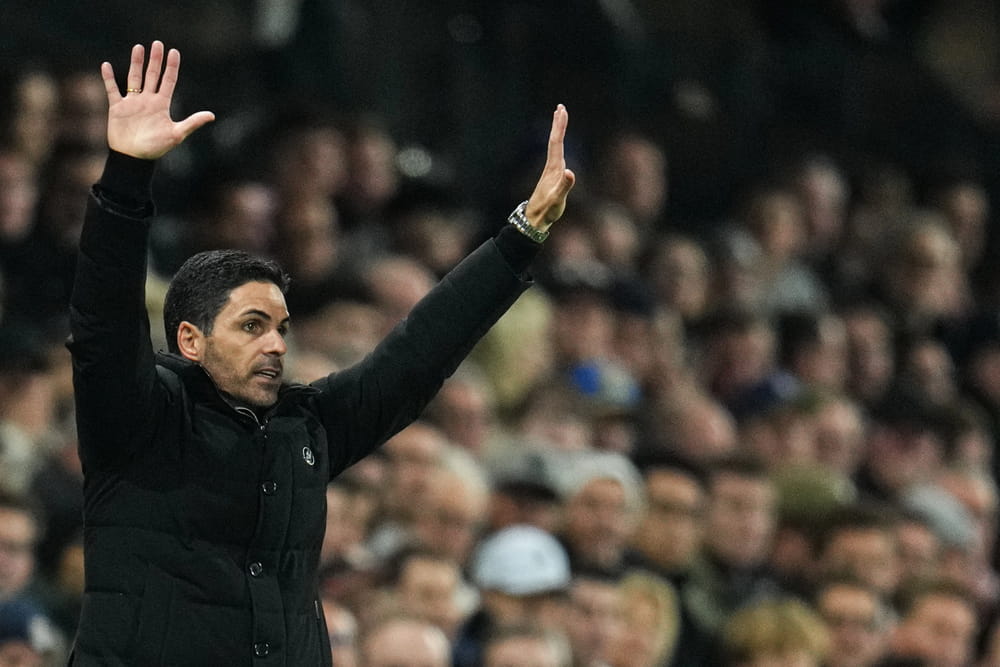
He joined the Gunners aiming to play an expansive, possession-based style of play, and while five-plus years into his reign Arsenal still play some great football, his experience in the Premier League has caused him to place far more emphasis on defensive solidity, set pieces and prioritising control.
With tactics and trends constantly changing within the professional game, this kind of flexibility is a seriously important skill to have in your arsenal, and it’s something you’ll regularly find in Basque coaches.
#4. The Influence of the English
The English introduced association football to the Basque Country, just like they took it to South America and various other parts of the world.
But while many other countries and regions seized the beautiful game and took it in a completely different direction, the English influence on Basque football has been prominent ever since.
Coaches like Fred Pentland (who won several Copa del Reys and La Liga championships during the 1920s and ‘30s) played a decisive role in developing Bilbao into a top club in Spain.
The likes of Billy Barnes and Harry Lowe also became known as English trailblazers in the Basque Country in this period, helping to install a fondness in the region for a more direct, physical style of play that had strong parallels with the English game.
Ever since, Basque teams have consistently been more aggressive and direct than teams from other parts of Spain, employing a style dubbed “the English manner” which in many ways is more en vogue in 2025/26 than it has been in years.
With physicality, intense counter-pressing, physical aggression and combative set pieces all playing an essential role in the modern game, Basque coaches like Unai Emery and Andoni Iraola have been able to harness their region’s natural alignment with these ideas, and work their way to the top of the game.
It’s no wonder that many of the best Basque coaches are gravitating toward the Premier League: given this shared history, it’s a natural home.
#5. Toughness and Resilience
The cooler, rainier climate of northern Spain probably had something to do with that English connection being fostered in the first place, and it certainly helps explain the greater mental and physical toughness and resilience often credited to the Basque people.
Despite hailing from Madrid himself, ex-Liverpool boss Rafa Benitez reportedly used to prioritise bringing in players from the north of Spain, whose strength and hardiness made them better suited to the Premier League.
Perhaps by the same token, these qualities make Basque footballers even better suited to transitioning adeptly into a coaching role when their playing career ends.
As a manager, the hours are long, the work gruelling, the pressure and scrutiny more than most could bear.
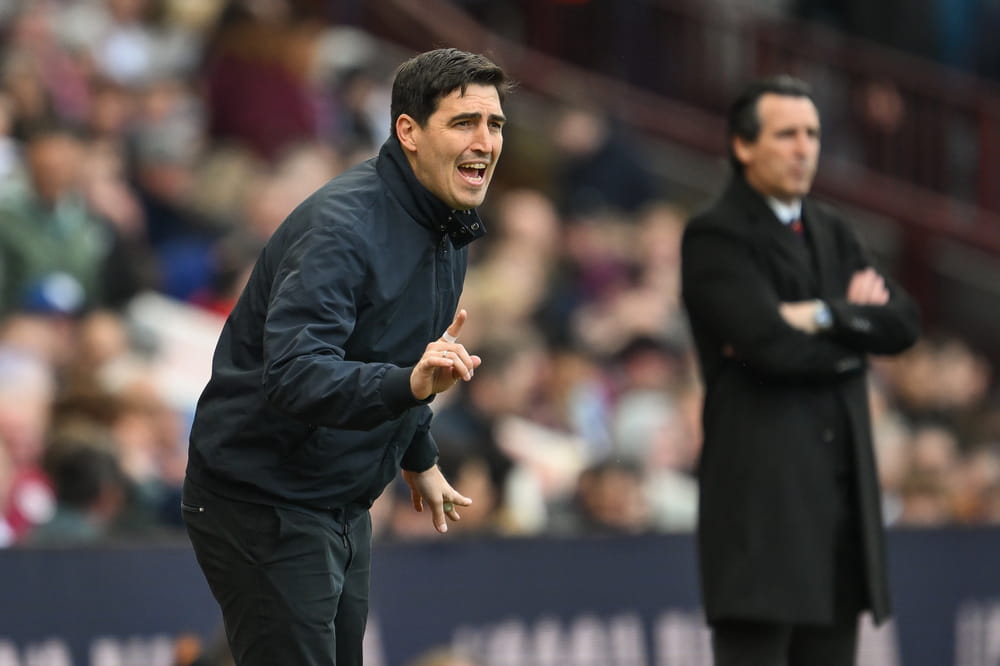
Dealing with these challenges is a big part of making it to the top, and the work-addicted, detail-obsessed coaches that the Basque Country is producing (Emery, Arteta, and Iraola being perhaps the most notable examples) clearly have the characteristics to cope with those intense conditions.
#6. An Underdog Mentality
That drive to succeed, to overcome the odds and compete against the very best, is at the heart of how Basque football managers have reached the summit of European football.
Many of the region’s modern footballing heroes have brought an underdog mentality to everything they do, whether it’s Unai Emery willingly conceding possession in order to hit teams mercilessly on the break, or Mikel Arteta sitting deep against fellow title contenders like Manchester City and Liverpool and conquering them with well-drilled set piece routines and moments of individual magic.
A sense of group solidarity and struggle, forged in the colder, wetter north of Spain, in the tough agricultural and industrial roles their families toiled in for generations, is key to the modern Basque identity. In elite-level coaching, that identity is proving very difficult to beat.
Check out our guide to Mikel Arteta’s style of play to find out more about the Arsenal boss’ rise to the top.

Author: Fred Garratt-Stanley
Lead Content Writer
Fred Garratt-Stanley is an experienced football writer and journalist, specialising in industry insights, tactical analysis, and the culture of the game. He has contributed to publications such as NME, GQ, The Quietus, and Resident Advisor. As Lead Content Writer at Jobs In Football, he focuses on providing reliable, research-driven articles to help people navigate careers in the football industry.


Related Articles

Andoni Iraola Tactics Explained