What Is PPDA In Football? Passes Per Defensive Action Explained
A variety of different metrics have emerged in the 21st century to help us understand certain elements of football in greater detail. There are statistics relating to attacking output, such as Expected Goals (xG) or Expected Threat (xT), and those that focus on the defensive side of the game, such as xG blocked.
Meanwhile, we also still get plenty of value from more simple stats like possession, pass, tackle or interception count, which have been recorded for some time.
In this article, we'll be focusing on a more advanced metric that has becoming an increasingly useful tool in the arsenal of coaches and analysts working at the top level. We'll explain the meaning of PPDA, an abbreviation that has grown in popularity in recent years.
PPDA Football Meaning: What Does PPDA Stand For?
PPDA is a term that has become increasingly common in conversations about modern football tactics. You're most likely to come across this initialism in articles, podcasts, and videos analysing team tactics in real depth.
PPDA stands for passes per defensive action. This metric is used to help give a more rounded picture of how in-possession and out-of-possession teams interact with each other on the pitch. Specifically, PPDA is a metric that is used to quantify the art of pressing in the modern game.
What Is The Purpose of PPDA In Football?
PPDA exists in order to help quantify and analyse a team's pressing structures.
With the acts of pressing and counter-pressing becoming increasingly important within professional football over the last decade or so, tacticians and analysts have started to devise more targeted ways of looking at this side of the game, and this work has been aided by significant improvements in terms of data recording.
A number of different metrics can be used to help us measure pressing, including tackles and interceptions in the attacking third, pass completion rate from a team in their own defensive third or defensive half, and more advanced measures such as the new pressure event data supplied by StatsBomb Services (which records actions when a player is within a five-yard radius of an opponent in possession).
This latter metric reflects a broader desire in the game to record pressing more accurately, a shift that is reflected in the growing importance of PPDA. So what's the method used to calculate passes per defensive action?

How Is PPDA Calculated?
PPDA targets actions in the area of the pitch in which a team might reasonably execute a high press.
This is obviously a slightly loose meaning, which is why those who formalised PPDA decided that within the metric, this would equate to three-fifths (or 60%) of the field of play, from the defending team's goal line to just over the halfway line in the other half. Essentially, this encompasses the whole of the opposition's half, and a fifth of the other half of the pitch.
PPDA takes this area and records all passes made by the team whose defensive area it is. The number of passes this team makes is then divided by the number of defensive actions made by the opposition to create the PPDA value.
So effectively, if the team stationed in this half of the pitch make fourteen passes in this area, but the ball is intercepted by the opposition team (who are conducting the press) two times during this period, you would divide fourteen by two in order to get the PPDA, in this case 7.0 (PPDA is recorded in decimal form).
Primarily, this number reflects how intensely the out-of-possession team are pressing the opposition in that game.
What Is A Defensive Action In Football?
The phrase 'passes per defensive action' relies heavily on what the statisticians class as a defensive action. The different types of defensive action included under PPDA are:
-
Tackles
-
Interceptions
-
Challenges
-
Failed tackle attempts
-
Fouls
If a large number of these actions occur in the three-fifths of the pitch covered by PPDA, it will result in a low PPDA value. At surface level, this suggests that the out-of-possession team is employing a high-intensity press, closing down opponents with speed and vigour in order to win the ball back high up the pitch as much as possible.
Meanwhile, a high PPDA value typically indicates that the out-of-possession team is less interested in pressing their opponents hard, and more happy to sit back and allow them possession without making a serious intervention until it's necessary (or until the opposition make a mistake).
It doesn't have to be a low block formation, but essentially, rather than counter-pressing, the coach has instructed their players to focus on making recovery runs and dropping a little deeper when the ball is lost.
The Strengths of PPDA
Before the development of PPDA, detailed analysis of out-of-possession pressing actions were difficult to achieve.
The rollout of this metric allows analysts to quantify how intensely a team is pressing their opponents, giving indications about the tactical plan of the head coach and how they plan to win back possession of the ball.
By the same token, the PPDA soccer metric helps coaches predict how their opposition is likely to set up in future matches, helping them figure out which strategies could be most effective and where they might be best able to exploit the opposition.
With transitions given more importance in the professional game than ever before, any extra insights coaches can get about the details of turnovers in possession could be significant.
PPDA can also indicate other things like fitness and stamina; for example, if a high-pressing team that typically records a low PPDA value scores a much lower value in the first half than they do in the second half, this could suggest that player fitness levels need to be improved, as individuals aren't capable of producing the same number of high-intensity runs, interceptions, tackles, and challenges as the game progresses.
The Weaknesses of PPDA
It's important to be cautious when looking at PPDA figures, because you can't always take these numbers at surface level.
For example, in the latter point made about a team's PPDA being lower in the second half than the first, while this could indicate a lack of sustained fitness, it could also be a reflection of in-game circumstances that statistics alone cannot pickup (for instance a player being sent off, which reduces a team's ability to cover ground and increases the likelihood of them dropping back into a low block).
PPDA also doesn't show the effectiveness of a press; while it records defensive actions, it doesn't say whether a challenge or interception led to the ball being retained, and it also doesn't take into account the danger of chances created following high turnovers in possession.
For example, if a defensive action is made within the penalty box, there's a good chance it could lead to a direct goalscoring opportunity, but if it's made on the halfway line, it's not so threatening (and therefore some coaches could instruct their players to take more risks in this area of the pitch).
Another key weakness is the fact that top teams will typically have a low PPDA. This doesn't mean that they're bad at winning the ball back or that they don't operate with a high press, it just reflects the fact that they're more likely to dominate possession for large periods in a match.
Even Klopp's Liverpool, a team that pressed extremely intensely, tended to spend large spells of their games camped in their opponents' half, passing the ball around. This means they weren't making many defensive actions in their own three-fifths of the pitch, although when they did lose the ball, they would typically press intensely.
As a metric, PPDA also doesn't provide detailed insight into specific pressing triggers or patterns; therefore, in order to gain a better understanding of the broader game, PPDA should be used alongside other metrics such as final third turnovers, ball recoveries in specific zones, expected threat, and opponent pass completion under pressure.
These metrics, if also combined with broader tactical reflections picked up by simply watching the game, can help us understand how a team is deploying their press.
Which Teams Are Best At Pressing?
As mentioned earlier, PPDA can't always be relied on to show us which teams press the opposition with the highest levels of intensity, or with the most effectiveness. However, when assessed over a succession of fixtures, this metric does usually give us a good indication of the broader pressing strategies a coach is employing.
For example, at the height of Jurgen Klopp's Liverpool reign, his side consistently recorded some of the Premier League's lowest PPDA scores, reflecting the fact that Klopp tended to operate with a high press during his time in charge.
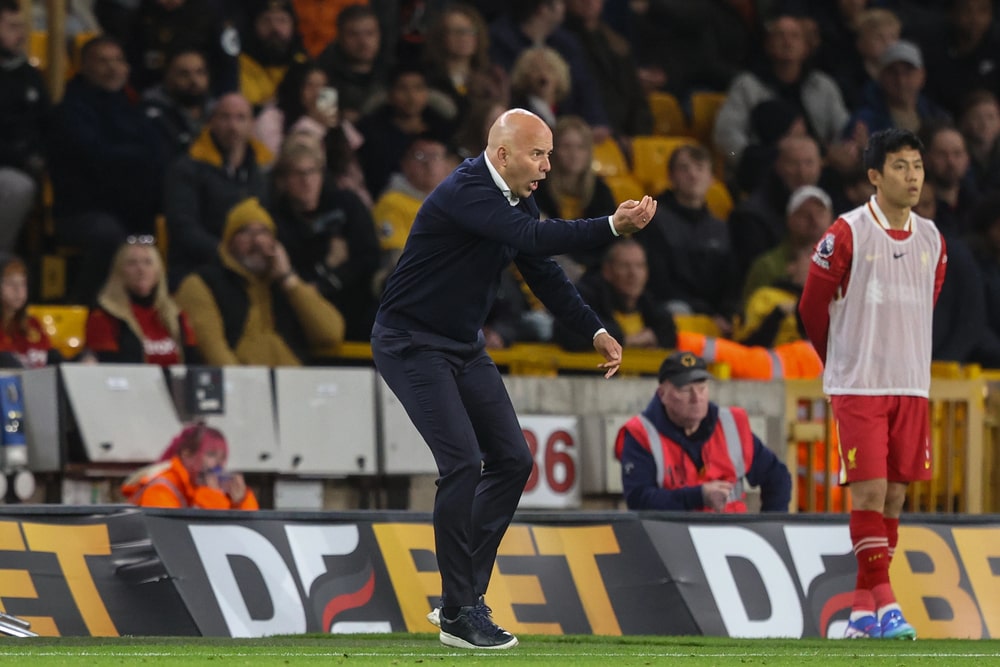
Fast forward to Arne Slot's Liverpool, and low PPDA remains the norm at Anfield: the club's 2024/25 Premier League title win was achieved partly thanks to a relentless press, with Liverpool's PPDA value consistently coming in lower than any other title contender.
That being said, the team that registered the lowest PPDA value during this campaign was Andoni Iraola's Bournemouth, with a value of 9.9.
According to The Analyst, "They tried to make it count when they won the ball back as well, with Bournemouth having the most shot-ending high turnovers in the Premier League (68), while no team scored more than their 10 goals from high turnovers."
Here, we see how PPDA can be used in conjunction with other statistics to reflect the pressing strategy (and broader game philosophy) of certain teams.
Want to find out about another metric that is growing in popularity at the top end of the professional game? Check out our in-depth guide to the role of Expected Goals (xG) in football.

Author: Fred Garratt-Stanley
Lead Content Writer
Fred Garratt-Stanley is an experienced football writer and journalist, specialising in industry insights, tactical analysis, and the culture of the game. He has contributed to publications such as NME, GQ, The Quietus, and Resident Advisor. As Lead Content Writer at Jobs In Football, he focuses on providing reliable, research-driven articles to help people navigate careers in the football industry.


Related Articles

What Are Assists In Soccer? (And When Are Assists Not Counted)
