What Are Cat 2 Academies? (+ Full List)

The structure of youth football in the UK has changed significantly over the last decade, with the implementation of the Elite Player Performance Plan leading to excellent results in terms of quality player production across the country.
Created in 2012 by the Premier League with support from the English Football Association and various other stakeholders, the EPPP is defined as "a long-term strategy with the aim of developing more and better homegrown players," and while it has had some negative implications within the English Football League, many people within the game view it as a broad success.
The EPPP has shone a more intense spotlight on the work being done in club academies across England and Wales, which, under this system, are graded depending on the facilities, services, and coaching standards they offer.
Each academy in the country is graded either a Category One academy (the highest valuation), Category Two (second-highest), or Category Three (third-highest). In this article, we're going to be focusing on the middle category, explaining what a Cat 2 Academy is and diving into the core boxes that need to be ticked for a club to be certified in this way.
We'll then provide you with a full Category 2 football academies list, detailing every English and Welsh club in this bracket. But first, we're going to spend some time fleshing out the purpose of the EPPP in a little more detail.
What Is The Aim Of The Elite Player Performance Plan?
The EPPP is divided into three key phases: Foundation (Under-9 to Under-11), Youth Development (U12 to U16), and Professional Development (U17 to U23).
One of the key motives of the EPPP is to make youth footballers more physically and technically capable, bringing their youth experiences closer to the realities of being a pro, and while Foundation and Youth Development play an important role here, the final phase of the EPPP, Professional Development, is where most of this work is done.
When players reach the Professional Development level, they enter the EPPP-initiated Premier League 2 system, which was designed specifically for players under the age of 21 with top-flight club contracts.
Premier League 2 is divided into two divisions, with performances motivated by promotion and relegation between the two tiers. In total, 25 teams compete in PL2 (14 in the top flight and 11 in the second), and each team represents a Category One Academy club.
There are currently 18 Premier League clubs in PL2, six clubs from the Championship, and one from League One. These 25 sides represent the elite level of the English youth system. But what about the clubs and players below this point?
What Is A Category Two Academy?
Premier League 2 was created so that Category One academies could produce a higher number of top-quality English players capable of adapting to the physical and technical demands of the English Premier League.
Broadly, this has been deemed a success, with a raft of top young stars emerging from Cat 1 academies in recent years, including Reece James, Declan Rice, Kobbie Mainoo, and Cole Palmer. But without the existence of feeder academies below the top rung, this enhanced player development landscape (which has borne fruit in England's men's team's improved tournament performances) would not be possible.
A Category Two Academy (often referred to as a Cat 2 academy) is a club academy that has been given the second-highest grade by the English FA.
A high standard is required in order to get this certification, and there are plenty of similarities between Cat 1 and Cat 2 academies, not least the age remit (Under-9 through to professional).
However, the technical standard of coaching, the care and support offered to youth players, and the infrastructure and training ground setup of the latter is slightly lower, with Cat 1 status clubs generally having greater money and resources to pump into their youth team.
It often boils down to league status, with clubs in the EFL less likely to have a top-level academy, and it's also important to note that running a Cat 1 academy is an expensive process.
Put simply, a Category Two Academy is a high-level academy that is capable of producing technically proficient, high-potential players between the ages of nine and 23.
They don't receive the same level of FA and Premier League funding as Cat 1 academies and may struggle to hold onto the very best young talents, but Cat 2 is still a desirable classification for Championship, League One and League Two clubs, and even some better-resourced Premier League outfits don't have the highest possible academy status.
One of the key things impacted by academy classification is coaching time, with Category Two academies required to provide a minimum of three to five coaching hours per week for 9-11 year-olds, six to 12 hours per week for U12-U16 players, and 12 to 14 hours per week for U71-U21 players. Meanwhile, Cat 1 clubs are expected to provide 4-8 hours, 10-12 hours, and 12-14 hours, respectively.
Cat 2 Academies List
In total, there are 22 academies in England and Wales that fall into this bracket. We've listed each of them below.
AFC Bournemouth
The Cherries' incredible recent rise from long-time lower-league dwellers to European-chasing Premier League competitors has been remarkable. However, this trajectory has relied primarily on excellent recruitment and coaching, rather than a regular supply of impressive academy graduates.
Barnsley
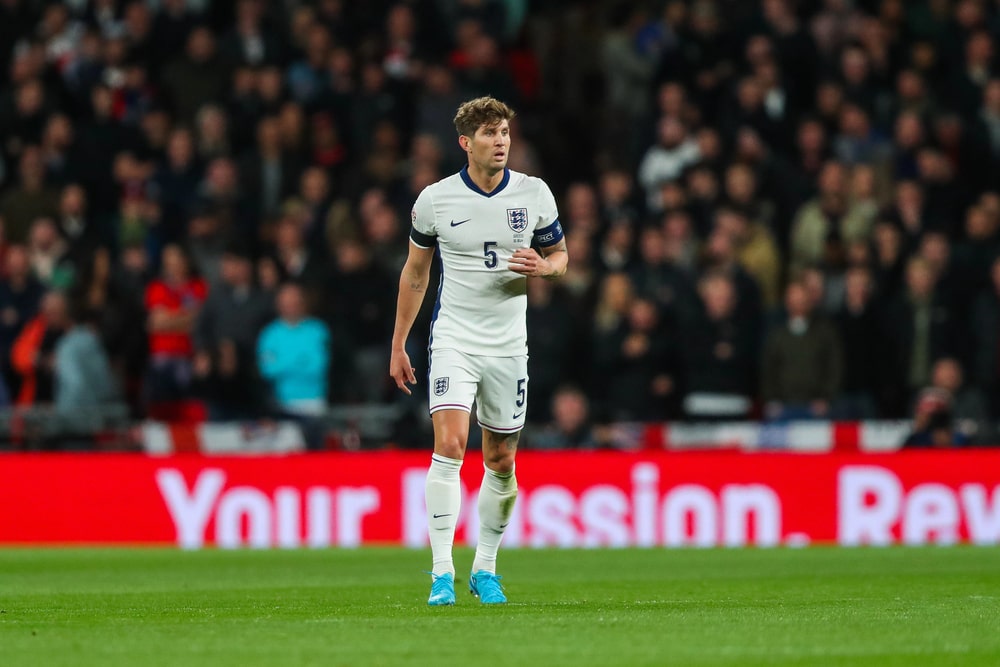
Barnsley's academy is situated in a convenient location, nearby to various big clubs including Leeds United, Sheffield United, and Sheffield Wednesday. The biggest star to have risen from the club's youth ranks is John Stones, who eventually commanded a whopping £47.5 million fee when City splashed out to bring him from Everton.
Brentford
Brentford are one of only two Premier League clubs not to have a Cat 1 academy, and that's partly down to their 2016 decision to scrap their academy in favour of a B team setup. However, a recent Premier League ruling has forced them to recreate a full-on youth structure from scratch, which has now been classified as Cat 2.
Bristol City
The Bristol club's unexpected 2024/25 play-off finish would've been impossible without the contributions of several high-performing ex-academy players, while recent high-profile sales of players like Alex Scott, Adam Webster, and Lloyd Kelly have further solidified the club's reputation for youth development.
Cardiff City
With a large catchment area in South Wales and the pull of playing in a vibrant capital city, Cardiff City is a club with the power to attract a large pool of extremely talented young footballers.
Charlton Athletic

The list of recent Charlton Athletic youth products is impressive, containing some seriously impressive names including Joe Gomez, Ezri Konsa, Semi Ajayi, Joe Aribo, and Ademola Lookman.
Colchester United
The Essex-based club has done well moving players on from academy to first team in recent years, with notable recent graduates including Cameroon international Junior Tchamadeu and Zimbabwe international Macauley Bonne.
Coventry City
Working within strict budgetary limitations, Coventry City have often punched above their weight in the Championship in recent years, in part thanks to the role of valuable ex-academy players.
Crewe Alexandra
Crewe Alexandra is one of the lowest-lying clubs with Cat 2 status, with the League Two outfit not having competed in the second tier for over a decade. Still, their list of academy graduates includes the likes of Dean Ashton, Danny Murphy, and Ashley Westwood.
Fleetwood Town
Fleetwood's most famous sale saw them recoup a non-league transfer record fee of £1m for Jamie Vardy in 2012, and their solid youth setup means they also regularly bring in crucial cash from selling academy graduates.
Hull City
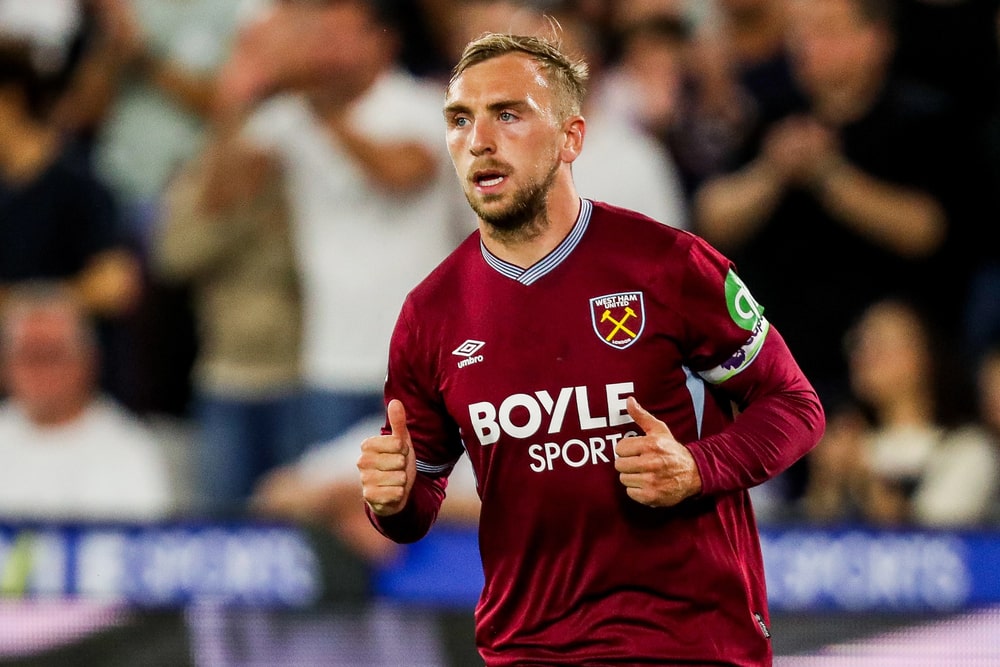
From snapping up a 17-year-old Jarrod Bowen and selling him on for over £20m, to bringing through reliable EFL operators like Liam Cooper and Max Clark, Hull have consistently handled young players well.
Ipswich Town
In recent years, Ipswich academy graduates have struggled to make an impact in the Tractor Boys' first team, but the likes of Nick Pope, Jack Marriott and Liam Gibbs have moved on and done well elsewhere.
Millwall
With an ultra-tribal fanbase and a defiant rallying cry of "No one likes us, we don't care", Millwall are one of London's most fiercely supported clubs, and it's also a regular producer of skilful young talents in the capital.
Peterborough United
Peterborough's constant bouncing between the Championship and League One makes it difficult for the club to keep hold of some of their star talents, but their conveyor belt is consistent: in 2024/25 alone, the likes of James Dornelly, Donay O'Brien-Brady and Harley Mills all stepped up from the academy and became first-team regulars.
Queen's Park Rangers

The academy that produced Raheem Sterling and Eberechi Eze has a reputation for developing skillful attacking players, although the club's proximity to London heavyweights means it can be tricky for QPR to keep hold of young talent.
Sheffield Wednesday
Significant investment has been made into the Owls' youth setup recently, with upgrades made to the club's Middlewood Road training ground (including a new state-of-the-art artificial pitch) reflecting Wednesday's Cat 2 status.
Sheffield United
Across the South Yorkshire-based city, Sheffield United also have strong pedigree when it comes to youth development, with former academy players including Kyle Walker, Harry Maguire, Phil Jagielka, and Dominic Calvert-Lewin.
Swansea City
The Welsh club had a Category One setup for four years following their respectable stint in the Premier League, but the club chose to downgrade to Cat 2 due to it being less expensive to run, with academy director Mark Allen insisting "it never says anywhere that you can't be excellent, whatever category you are".
Watford
Being a consistent Premier League outfit in the 2010s allowed Watford to invest extra cash into their training facilities, leading to the club being awarded Category 2 status in 2024.
Wigan Athletic
From Everton stalwart left-back Leighton Baines to more recent graduates like Alfie Devine and Joe Gelhardt, Wigan have a solid track record of producing pro players.
Related Articles

What Are Cat 1 Academies? (+ Full List)
