Unai Emery Tactics Explained
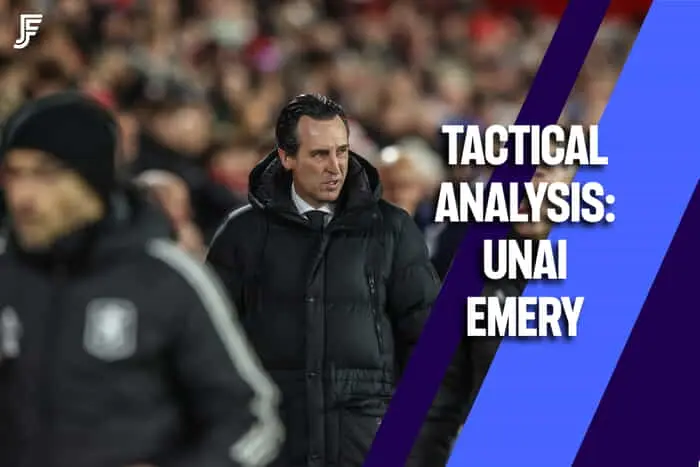
At the start of the 2025/26 season, no one expected Aston Villa to be challenging Arsenal and Manchester City at the very top of the league, and entering the New Year just a point off Pep Guardiola’s serial title-winning side.
Regardless of Villa’s eventual league position, it’s an impressive achievement, especially when combined with the other string of successes Unai Emery has spearheaded during his time in charge of the club.
From securing European football in every season he’s been in charge, to breezing through to the knockout stages of the restructured UEFA Champions League in 2024/25, it’s been a glorious period for the Villa fanbase.
Most Premier League fans are well aware of the excellent job Emery has done in the West Midlands, but if asked about the precise style of play he’s implemented during his time at Villa, they may struggle to find a definitive answer.
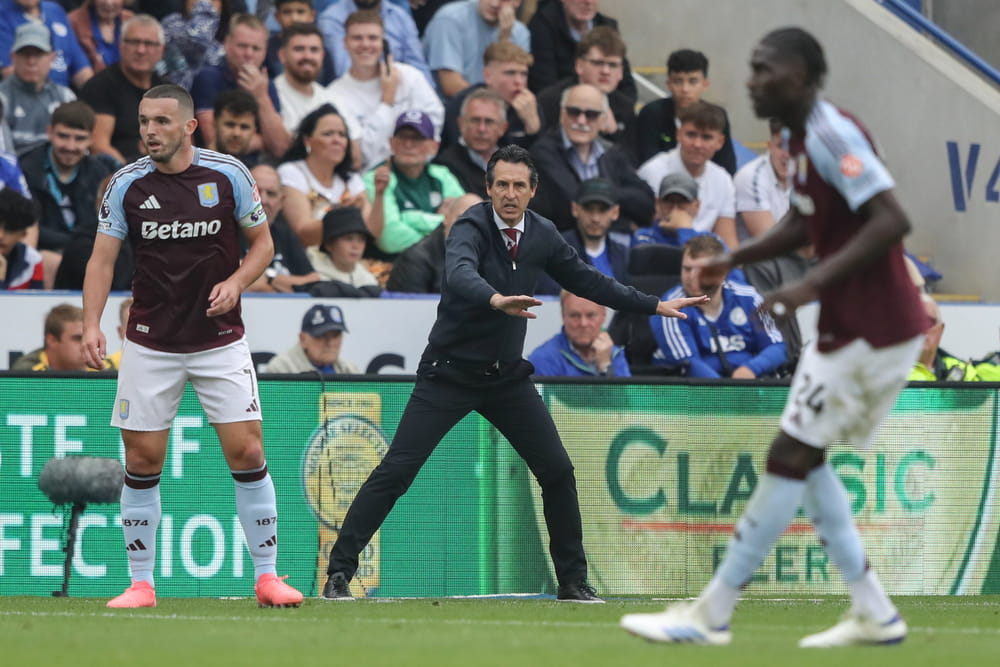
Emery is a pragmatic and adaptable manager, and his tactical philosophy may not be quite as obvious to neutrals as the style of play favoured by an ultra-idealist like Pep Guardiola or Jurgen Klopp.
But Emery has a clear set of footballing values and principles, and in this article we’re going to be breaking them down in detail.
Unai Emery Tactics Explained: What System Does The Aston Villa Manager Use?
When Unai Emery was appointed Aston Villa head coach in October 2022, the team was hovering just above the Premier League relegation zone, after a disastrous start to the season under an increasingly out-of-depth Steven Gerrard.
The transformation following the four-time Europa League winner’s arrival has been simply remarkable; in his first season Emery hauled Villa up to 7th place and secured Europa Conference League qualification, with only Man City and Arsenal picking up more points than Villa between his arrival and the end of the campaign.
In the following campaign, he secured Champions League qualification, partly by making Villa Park an absolute fortress, becoming the first manager in the club’s history to win 15 consecutive games at home.
Missing out on Champions League qualification in 2024/25 was a huge blow, but the ambition then switched to Europa League glory instead; after all, this is a competition Emery has serious pedigree in, having won three consecutive trophies with Sevilla and a fourth Europa League title with Villarreal in 2021.
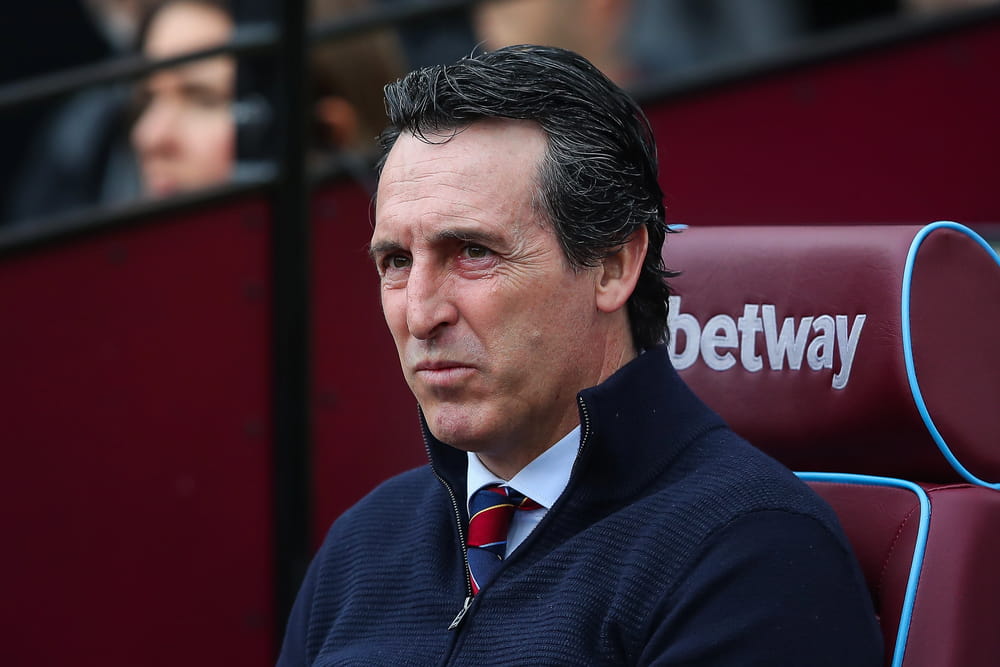
Throughout Emery’s transformative time at Villa, he has relied on the same key tactical principles.
Speaking on The Athletic FC podcast, journalist Liam Tharme explained: “Plan A is always the same with Villa… Emery always wants them ideally in games, [and to] bait the [opposition] press.
It’s always a similar kind of shape or formation, either a 4-2-3-1 or a 4-2-2-2, where you want that left-back pushing on, that left-sided number 10 coming inside, getting that box midfield to overload teams centrally.”
Packing central attacking midfield areas with a range of creative, forward-thinking players is key; Emery creates opportunities for various creators to have an impact, never relying on one playmaker, and he aims to hit these zones in different ways.
Often, the ball will be worked forward from the wide areas, using attack-minded full-backs like Matty Cash and Ian Maatsen to break through the opposition lines and feed more central players.
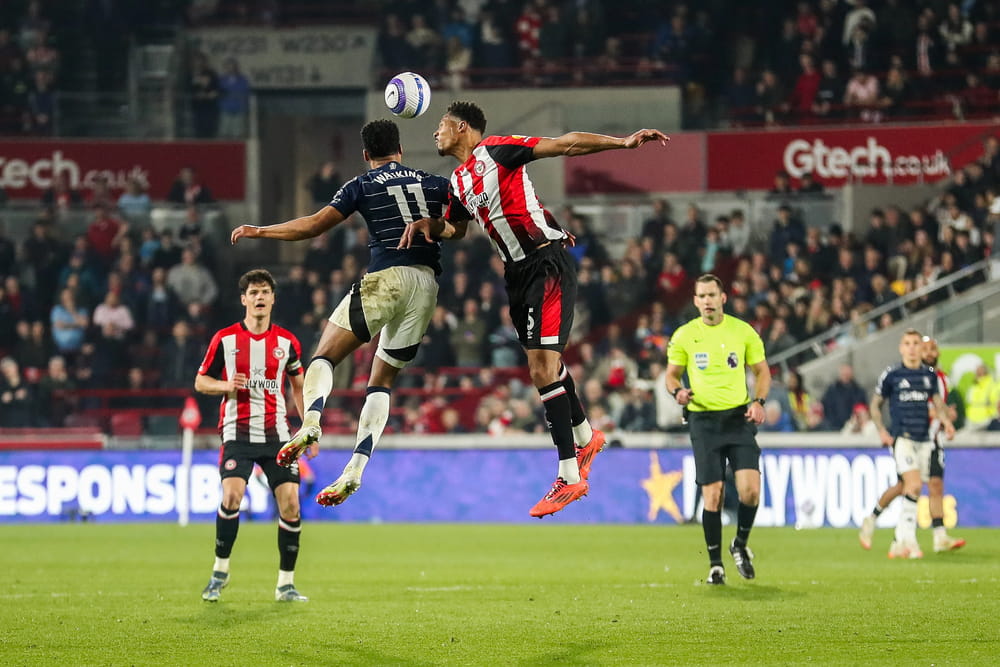
However, on other occasions, Villa will mix it up and hit a long ball forward from deep, using players like Ollie Watkins to win a flicked header and disrupt the position of opposition defenders, before using those numerical advantages they’ve gained in midfield to cause problems in advanced areas.
It’s worth noting that Emery’s style of play often differs depending on whether his team is playing at home or away.
When on the road, Villa can be more passive and cautious in games, relying more on counter-attacking football and not necessarily feeling the need to dominate possession, with rapid, dangerous forward players like Watkins and Emi Buendia able to bury key chances when they arrive.
However, Emery will go toe-to-toe with any club at Villa Park, aiming to have the lion's share of the ball and create strings of chances throughout the match.
In fact, between October 2022 and December 2025, no team in Europe put together more home wins than Emery’s Villa, a testament to how Emery prioritises this aspect of the game.
The Strengths of Emery’s Style of Play
Unai Emery has made defensive solidity a key priority during his time at Aston Villa, working tirelessly on the training ground with centre-backs like Tyrone Mings and Ezra Konsa to improve both their zonal defending skills and their ability to play out from the back.
He’s added extra support in the form of a midfield double pivot, with players like Boubacar Kamara and Amadou Onana protecting the backline and breaking up opposition play.
This increased defensive solidity has provided the foundations for Villa’s excellent home form, and it’s also made the team more resilient to setbacks such as injuries and transfer disappointments in forward areas.
Emery was reportedly frustrated with the summer transfer window in 2025, with Jacob Ramsey sold to Newcastle, only around £30m spent, and incoming players not up to full match fitness for several weeks.
During this teething period, Villa were very poor in front of goal, but their defensive record allowed them to survive and start picking up points; in September, October, and November combined, Emery’s team conceded only seven goals, a key factor behind their drive up the table.
Another of Emery’s main strengths is his ability to consistently win the midfield battle, even against top opposition.
According to Villa expert Jacob Tanswell, “in central midfield, arguably only Arsenal rival them in terms of the power they have… whenever Emery plays at Arsenal or City, he always plays Kamara, Onana, McGinn, Tielemans, Rogers, and that’s a really powerful midfield” both offensively and defensively.
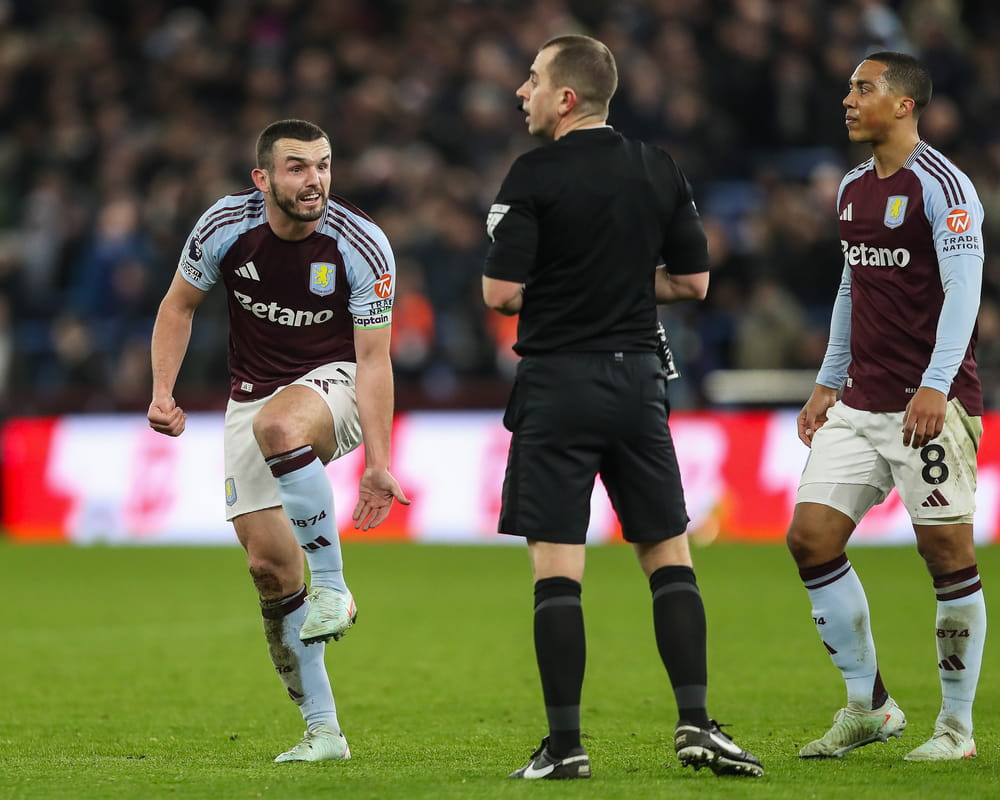
Creating overloads in central areas has been massive for Emery, regardless of which players he has at his disposal; this has allowed creative players like Morgan Rogers, John McGinn, Emi Buendia, and Philippe Coutinho to thrive under his stewardship.
While Emery’s favoured tactical plan is clear to see, he also has a degree of flexibility that has allowed him to compete at the very top.
His in-game management is better than most head coaches in Europe, with Villa consistently recording high goal contribution numbers by substitutes; the Spaniard knows who can make a difference at the right time, and few Premier League coaches make more in-game substitutions than him, allowing the team to stay fresh and players to remain on their toes.
At a club with lots of financial resources and ambition but a squad that doesn’t quite match up to the very best in the Premier League, ensuring each player is pushing themselves to their limit is extremely important, and it’s something Emery excels at.
The Weaknesses of Emery’s Style of Play
Honestly, there aren’t many chinks in Unai Emery’s armour. Some coaches place too much emphasis on attack and are vulnerable in defensive areas (check out our guide to Ange Postecoglou’s tactics for a good example of this), or vice versa, but Emery is someone who regularly gets the balance right.
It’s true that his style of play tends to work better at smaller clubs that aren’t necessarily challenging for league titles; his love of compact defensive shapes, decisive counter-attacking moves and mental toughness and team spirit is best-suited to underdogs, and the two biggest jobs he’s taken on (at Arsenal and PSG) haven’t ended particularly well.
At times, his teams can be reliant on individual moments of brilliance from players; for example, Aston Villa’s brilliant first half of the 2025/26 season involved the conversion of numerous excellent goals from long distance or low-xG areas by highly technical individuals like Morgan Rogers and Emi Buendia.
Emery sometimes relies on these types of chances rather than producing a wealth of high-xG opportunities, which can be a weakness, creating questions about whether his sides can continually outperform their numbers over sustained periods of time.
In addition, Emery has sometimes been viewed as a short-term manager who can arrive at a club, improve standards, motivate and inspire players on the training ground and raise performance levels in the short term but struggle to make lasting long-term change.
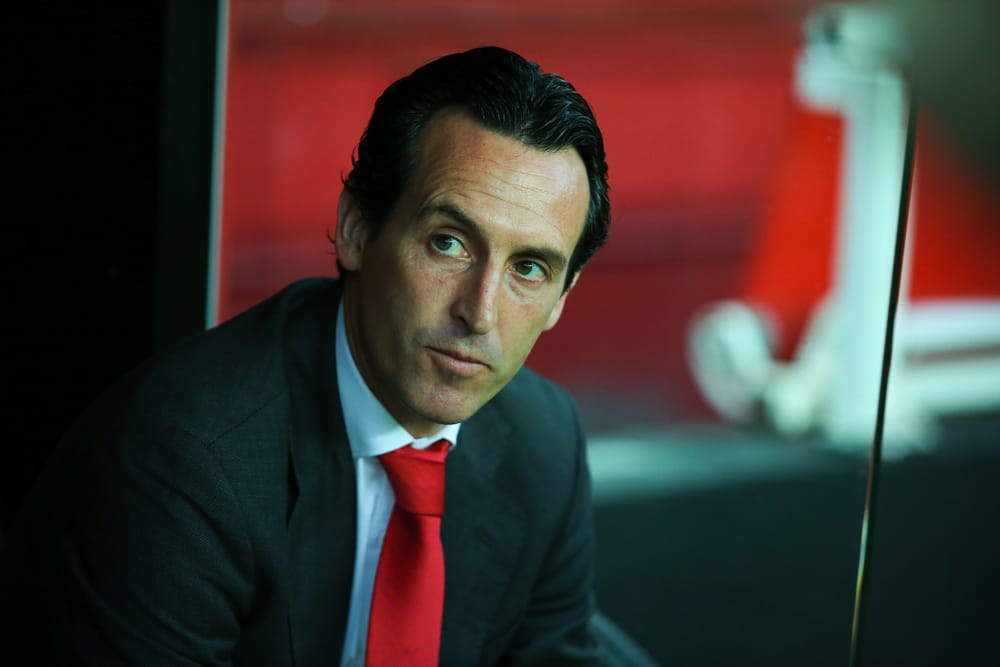
He’s ultimately disproved this theory at Villa, but the short-term nature of some of his previous jobs does bring us on to perhaps his biggest weakness as a coach: the diplomatic side of the game, particularly the process of dealing with executives and sporting directors and relinquishing control of aspects of the football operation.
At both PSG and Arsenal, Emery clashed with the board and became frustrated when asked to compromise on certain things or work without the precise resources he demands.
Thankfully for him and Aston Villa, this hasn’t been an issue during his second Premier League spell, where he’s been given a huge amount of control over recruitment and the wider football operation.
Unai Emery’s recent record has also led to him becoming one of the best-paid football managers on the planet. The huge levels of respect he commands in the game means there are currently only nine coaches in the world who earn more than his reported salary of £8.3 million. Want to find out who those individuals are? Check out our guide to the best-paid football coaches in the world.

Author: Fred Garratt-Stanley
Lead Content Writer
Fred Garratt-Stanley is an experienced football writer and journalist, specialising in industry insights, tactical analysis, and the culture of the game. He has contributed to publications such as NME, GQ, The Quietus, and Resident Advisor. As Lead Content Writer at Jobs In Football, he focuses on providing reliable, research-driven articles to help people navigate careers in the football industry.


Related Articles

Andoni Iraola Tactics Explained
