How Sunderland Built a Data-Led Model for Premier League Success
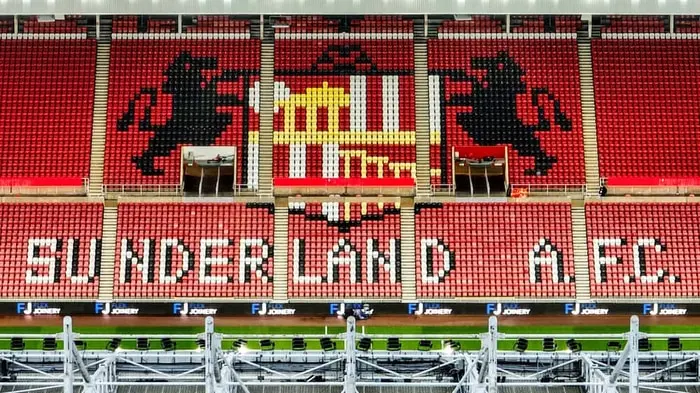
The 2025/26 English Premier League season brought many surprises, from Tottenham Hotspur's relegation dogfight to Brentford's unexpected charge for Europe. However, one development that almost no one saw coming was the dizzying rise of Sunderland AFC, newly promoted to the Premier League after eight years away from the top flight.
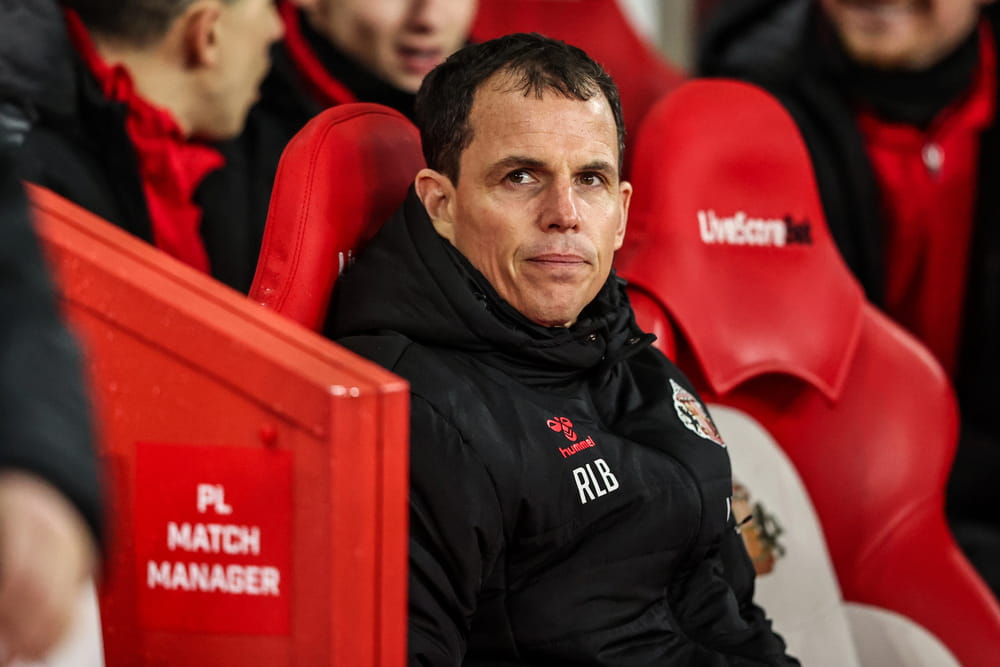
Regis Le Bris' side spent large parts of the campaign in the top half of the table, consistently flirting with the European qualification places, and securing their first league double over arch rivals Newcastle United in over a decade (a 1-0 home win in December 2025 followed by a 2-1 victory at St James’ Park in March 2026, capped by a 90th-minute Brian Brobbey winner).
This, when many supporters and neutrals alike were fully anticipating a scrap for top flight survival, was a remarkable achievement.
Much of this success can be traced back to innovative strategies in data-led recruitment that have allowed Sunderland to punch well above their weight, and led to some comparisons with Brighton & Hove Albion, a club that pioneered this highly effective approach to life as a Premier League underdog in recent years.
In this article, we'll be exploring how Sunderland have emulated Brighton's success, using a model that has plenty of parallels with the south coast club's.
Sunderland finished the 2025/26 Premier League season in 12th place on 47 points — the strongest top-flight return by a newly promoted side this season — by combining a data-driven recruitment model run by sporting director Kristjaan Speakman, director of football Florent Ghisolfi and data lead James Young with the tactical work of French head coach Régis Le Bris (a Premier League Manager of the Season nominee). Under owner Kyril Louis-Dreyfus the club spent £155m on 14 new players in summer 2025, modelled their approach on Brighton & Hove Albion’s analytics-led blueprint, and completed a record 11-game unbeaten run against Newcastle United — the best-ever sequence between the two clubs.
| Role | Person | Joined | Background |
|---|---|---|---|
| Owner | Kyril Louis-Dreyfus | 2021 (full takeover) | Louis-Dreyfus family business; minority shareholder from 2020 |
| Sporting Director | Kristjaan Speakman | December 2020 | Birmingham City Academy & Head of Football Development |
| Director of Football | Florent Ghisolfi | July 2025 | Sporting Director at Roma, OGC Nice and RC Lens |
| Head Coach | Régis Le Bris | July 2024 | FC Lorient (head coach 2022–24); 2025/26 PL Manager of the Season nominee |
| Head of Data / Analytics | James Young | 2021 | Engineering background; built the data department from scratch |
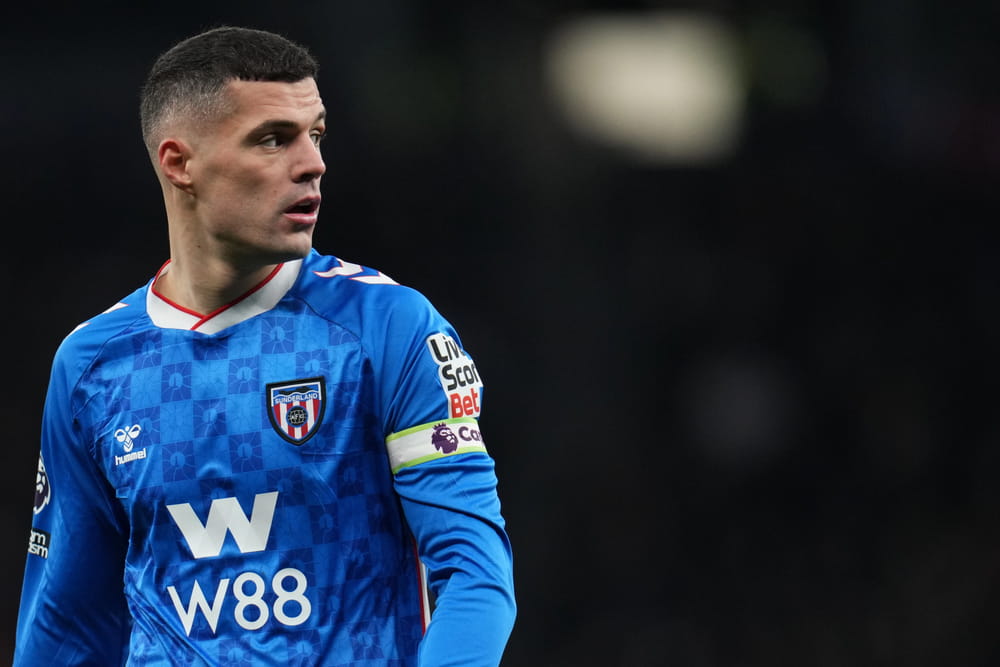
| Captain | Granit Xhaka | Summer 2025 | Arsenal, Bayer Leverkusen (Bundesliga title 2023/24) |
How Sunderland Rose From League One to the Premier League
Anyone who has watched the hit Netflix documentary 'Sunderland Til I Die' knows exactly how tumultuous things have been for the North East club over the last decade.
Former owner Ellis Short — who racked up £160m worth of debt and ended up nearly bankrupting the club — oversaw a period of dramatic decline as Sunderland suffered a remarkable double relegation between 2016 and 2018, losing their top-flight status before a miserable Championship campaign left them heading into League One in financial chaos.
A consortium led by Stewart Donald helped clear the debt and consolidate Sunderland's EFL status, but poor recruitment and fractious dealings with fans meant Donald's eventual departure was welcomed by supporters, and the completion of a full takeover by the ambitious, young new owner Kyril Louis-Dreyfus in 2021 brought excitement.
Within a year, underperforming head coach Lee Johnson had been dismissed and replaced with proven EFL operator Alex Neil, who dragged Sunderland back up to the Championship after a scintillating 15-game unbeaten run at the end of the 2021/22 season.
Victory at Wembley was seismic: Sunderland had lost their previous three League One play-off finals, most recently in 2019, and the celebrations were unbridled.
Neil's time at Sunderland was relatively short-lived, though; after clashing with the top brass, he was ultimately replaced by experienced Championship boss Tony Mowbray, who had a massive impact on the football club during his time in charge.

Mowbray was happy to leave the majority of recruitment work to sporting director Kristjaan Speakman, a hugely transformative figure who ushered in Sunderland's impressive data-driven model after being appointed by Louis-Dreyfus (who was then a minority shareholder) in December 2020.
It's hard to overemphasise Speakman's importance: his leadership helped bring players like Jobe Bellingham, Amad Diallo, Enzo Le Fee, and Trai Hume to Wearside, all of whom have been pivotal in Sunderland's upward trajectory.
Sunderland's catalogue of talented youngsters, guided masterfully by Mowbray, made it to the Championship play-offs in 2022/23 but were defeated by eventual promotion winners Luton Town.
In 2024/25, the appointment of the little-known but astute and measured French coach Regis Le Bris finally sparked a return to the promised land: Sunderland finished 4th before beating Sheffield United 2-1 at Wembley to clinch promotion.
Immediately, they embarked on an extremely active summer transfer window, first bringing in former Roma and Nice executive Florent Ghisolfi as Director of Football to work alongside Speakman, with the pair then making serious improvements to their playing squad.
Le Bris' tactical skill and adaptability have allowed the Black Cats to slip seamlessly back into life in the top flight, and their solid 12th-place finish on 47 points — with Le Bris nominated for Premier League Manager of the Season — is a testament to the model implemented by the club since Louis-Dreyfus’ arrival.
The Role of Data and Analytics in Sunderland's Rise
The approach taken in the transfer market by Sunderland following their promotion to the Premier League at the end of the 2024/25 season surprised some commentators.
With the notable exception of newly appointed captain Granit Xhaka — an instrumental figure in their ongoing rise — their signings skewed towards younger talent with high potential, rather than players with a proven track record in the English top flight.
That strategy is ultimately paying off; but where did it come from in the first place?
Sunderland's recruitment has been extremely data-driven in recent seasons, with The Independent reporting recently that the club's recruitment model "is now seen as one of the most advanced in the Premier League" due to its focus on identifying underappreciated players whose underlying numbers suggest high potential.
Notable recent signings include Habib Diarra (£27m from Strasbourg), Noah Sadiki (£14m from Union Saint Gilloise) and Brian Brobbey (around £20m from Ajax).
Diarra and Sadiki have both proven to be highly competent, technical Premier League midfielders, while Brobbey is well regarded for his physical, all-round centre-forward play, and his handy seven goal contributions in 27 Premier League games has even attracted interest from Bayern Munich lately.
Signings like these reflect a willingness to scour the European market for uncut gems, players with high ceilings who are perhaps flying under the radar of other English clubs.
Intricate analysis of various detailed data points allows clubs like Sunderland to imagine the potential a player could hit rather than simply analysing how they are currently performing.
Pivotal in directing their approach to recruiting players is James Young, who joined Sunderland in 2021 with the mission of creating a new data department under Speakman's instruction (an intensified focus on data and analytics was one of Louis-Dreyfus' biggest priorities).
"The processes weren't in existence and weren't well established. It needed to be built from the ground up," Young said of his appointment at Sunderland. He worked alongside Speakman and former Chief Operating Officer Steve Davison (who, like Young, has an engineering background) to create a new department capable of dragging Sunderland into the future.
In the early years of Young's tenure, ex-head coach Tony Mowbray played an important role in encouraging the implementation of the new model.
Despite being an old-school football manager in many regards, Mowbray adapted readily to the rise of the head coach model, praising the club's ability to bring in talented, underrated individuals like Patrick Roberts and Amad Diallo during his tenure, and telling Training Ground Guru that "data is everywhere these days… how many shots, how many assists, touches in the opposition box.
[The players] use it as motivation to inspire. We show them best practice - who has had the most shots and assists in the league if you're a wing back or a number 10?"
How did Sunderland take inspiration from Brighton & Hove Albion?
Sunderland's decision to lean more heavily on data and analytics has repeatedly been linked to the impressive achievements of south coast outfit Brighton & Hove Albion in recent years. Under the stewardship of owner Tony Bloom — an extremely successful businessman who made his fortune from sports betting — the club poured huge amounts of time and resources into a new approach to recruitment structured around detailed analysis of player data.
The secretive London-based company Jamestown Analytics, who consult with a select number of sports teams across the globe including Brighton & Hove Albion, has been working closely with Bloom's team to identify transfer targets that match the club's requirements whilst scoring highly on bespoke Jamestown Analytics algorithms.
Their innovative number-crunching has allowed them to identify talents like Kaoru Mitoma, Moises Caicedo, and Marc Cucurella; Brighton developed a reputation for plucking these uncut gems from obscurity, turning them into top Premier League players, and generating massive profits from them.

Sunderland have never shied away from their ambitions to emulate this model. According to the Independent, "the club want to use [their analytics-based recruitment model] to constantly improve their position in the manner that counterparts like Brighton have."
Football reporter Daniel Storey noted that while Sunderland's historic success and stature as a club does heighten expectations amongst supporters, "the principles are the same [as Brighton and Brentford] in terms of scouting well, recruiting well, buy low, develop well, sell high. They're the kind of five principles, five pillars of those projects, and Sunderland look to be doing that really well."
Efforts have been made not just to expand the vision and recruit from less well-trodden corners, but to construct a welcoming environment that allows a range of foreign players to feel comfortable and thrive in England (something the Seagulls have excelled at).
The Black Cats' quick readaptation to the Premier League, and the interest some of their recent signings are attracting from wealthy, powerful European clubs, shows that they're moving in the right direction.
Can Sunderland Qualify for European Football?
Under the stewardship of the highly ambitious Kyril Louis-Dreyfus, Sunderland's ultimate goal is to secure qualification for European football. Considering that the club hasn't competed in Europe since the 1973/74 season, this would be a remarkable achievement; however, it certainly doesn't seem beyond reach.
Louis-Dreyfus' whopping family fortune means the club has deep pockets, and while the departure of key Championship loanees like Amad Diallo means they were forced to bring in lots of new players upon arriving in the Premier League, their £155m splurge on 14 new players in the summer of 2025 still went far beyond how a newly promoted side would usually behave.
This is a reflection of how ambitious the club is, and it's therefore no surprise that supporters are expecting another serious outlay ahead of the 2026/27 season.
With clubs like Brighton, Bournemouth, and Brentford competing for Europa League and Europa Conference League qualification despite having far smaller budgets than their Big Six rivals, the Black Cats will be full of hope that they can continue emulating the success of innovative Premier League underdogs. Who knows what their ceiling is?
If you enjoyed this article, check out our guide to the rise of Brighton & Hove Albion.
Frequently Asked Questions
Where did Sunderland finish in the 2025/26 Premier League?
Sunderland finished 12th in the 2025/26 Premier League on 47 points, comfortably above the relegation zone and well within mid-table. It was the strongest top-flight return by a newly promoted side this season, and the club ended the campaign with a record 11-game unbeaten run against Newcastle United and head coach Régis Le Bris nominated for the Premier League Manager of the Season award.
Who is the manager of Sunderland?
Régis Le Bris has been the head coach of Sunderland since 1 July 2024, when he joined on a three-year contract from FC Lorient. The French coach guided the Black Cats to promotion from the Championship in his first season (2024/25) and to a 12th-place Premier League finish in his second, earning a 2025/26 Manager of the Season nomination.
How much did Sunderland spend in the summer 2025 transfer window?
Sunderland spent roughly £155m on 14 new players in summer 2025, an unusually heavy outlay for a newly promoted Premier League side. Headline arrivals included Habib Diarra (£27m from Strasbourg), Brian Brobbey (around £20m from Ajax), Noah Sadiki (£14m from Union Saint-Gilloise) and captain Granit Xhaka (from Bayer Leverkusen). The spend reflected the ambitions of owner Kyril Louis-Dreyfus and a data-led recruitment model run by sporting director Kristjaan Speakman and director of football Florent Ghisolfi.
What is Sunderland’s data-led recruitment model?
Sunderland use a data-led recruitment model in which sporting director Kristjaan Speakman, director of football Florent Ghisolfi, and head of data James Young identify underappreciated players whose underlying numbers suggest high ceilings rather than relying on proven Premier League track records. The Independent has called it "one of the most advanced [models] in the Premier League". The approach is openly modelled on Brighton & Hove Albion’s analytics-led blueprint, including the use of Jamestown Analytics-style data partnerships, and aims to scout undervalued European talents who can be developed and re-sold at profit.