Why Are Football Managers Getting Younger? The Rise of Europe’s New Coaching Generation
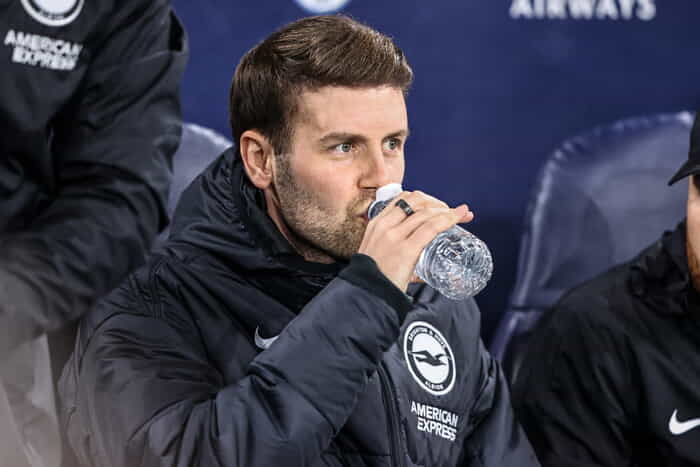
The second half of the 2025/26 Premier League season saw Brighton & Hove Albion become one of the division's most in-form sides, with convincing victories against a sequence of clubs also on the hunt for European football, including Liverpool, Chelsea, Brentford, and Sunderland.
At the helm? The Premier League's youngest-ever manager, 33-year-old German coach Fabian Hürzeler, who was given the head coach job at Brighton aged just 31.
Hürzeler might be an extreme case, but his success in the English top flight is indicative of a wider shift that has taken place across European men's football in recent years: top-level managers are becoming younger.
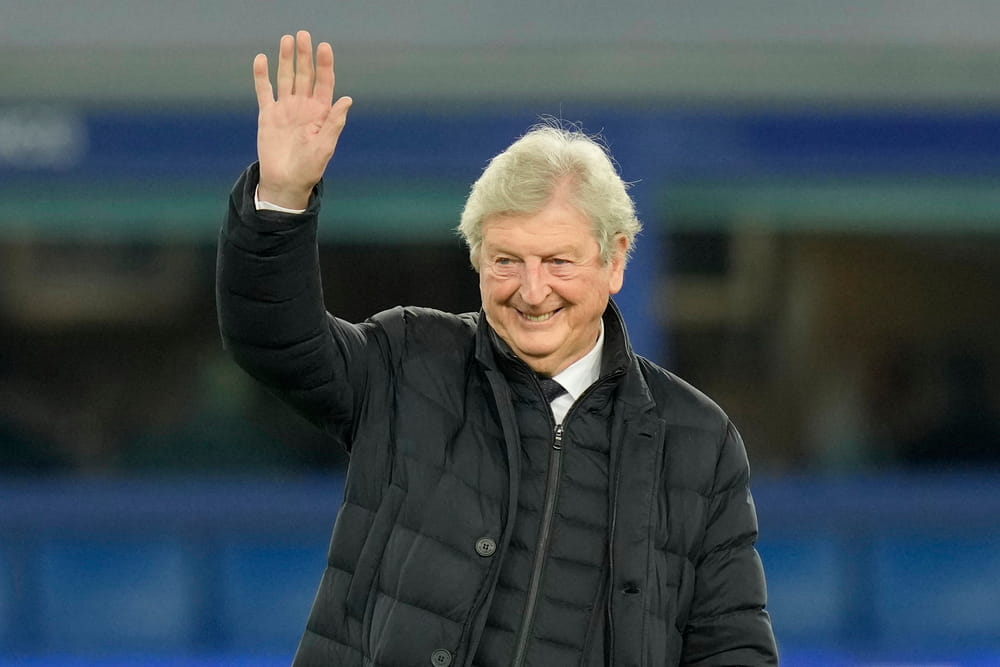
A few wise old stalwarts like Claudio Ranieri or Roy Hodgson may have continued managing well into their 70s, but these individuals are the exception. Generally speaking, the days of the grand, old, all-powerful manager (think Sir Alex Ferguson or Arsene Wenger) are over. Modern football is better suited to those who are young and hungry.
But what exactly has caused this shift? In this article, we'll note several examples of high-profile coaches who have made a mark while still at an age where they could feasibly be playing professionally.
We'll explain how European football is developing a higher calibre of coaches under the age of 40, and we'll analyse the different factors that have created this situation.
Who Are The Best Young Coaches In Europe?
UK-based football pundits and journalists are often decrying the lack of top-quality coaches emerging from Britain in comparison with nations like Spain, Portugal and Germany.
In the Basque country region in northern Spain alone, a huge number of elite-level coaches have honed their skills before going on to coach in top leagues like La Liga and the Premier League over the last decade.
And it isn't just the Iberian Peninsula: across Europe, all sorts of countries are producing quality young coaches, many of whom are going on to have a major impact on British football.
Below are a handful of coaches who started coaching in their early-mid-30s and quickly achieved respect within the wider game.
Vincent Kompany
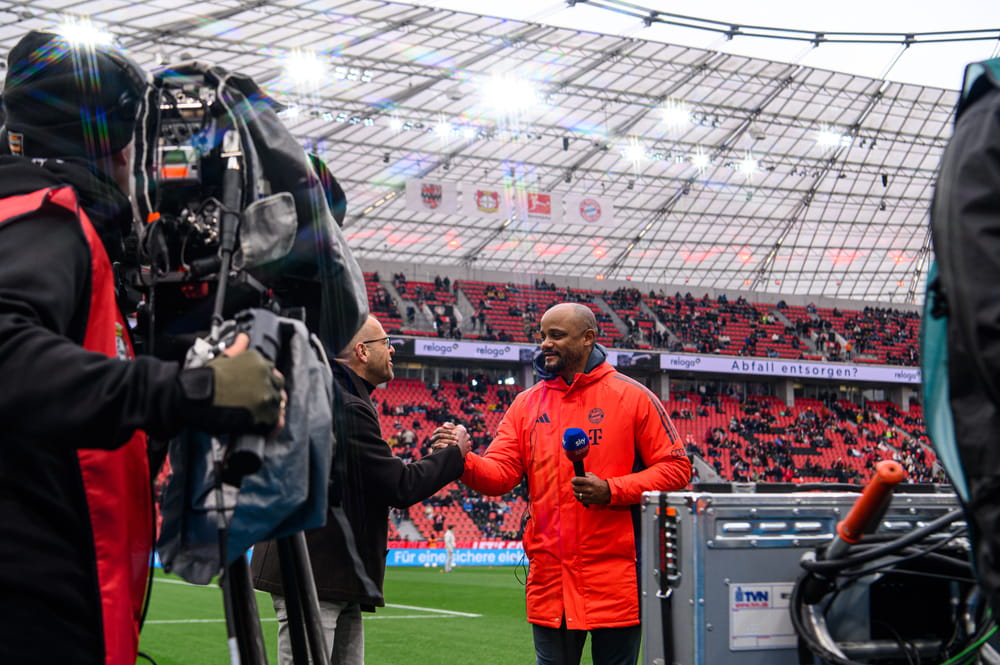
At the age of 40, Vincent Kompany already has over five years of senior coaching experience under his belt, with stints in the Belgian top flight, the Premier League, and most recently the German Bundesliga, where he has led Bayern Munich to back-to-back league titles.
Clearly, Kompany benefited immensely from playing under coaches like Pep Guardiola, Roberto Mancini and Manuel Pellegrini at Manchester City, and the ups and downs of his fledgling coaching career (which has already included three titles as well as an extremely poor Premier League relegation season with Burnley) mean he's well equipped to remain at the top level for years to come.
Julian Nagelsmann
Injuries caused Julian Nagelsmann to end his playing career aged just 20; he then transitioned into coaching at Hoffenheim and never looked back.
At 31, he took Hoffenheim into the Champions League, becoming the youngest coach in the competition's history, and after impressing as RB Leipzig head coach, he was poached by Bayern Munich for a world record managerial transfer fee of £21.7 million.
Cesc Fabregas
Premier League icon Cesc Fabregas' decision to end his career at Italian side FC Como has paid off big time; after retiring, he transitioned smoothly into an interim coaching role before ultimately taking on the head coach job just days after he completed his UEFA Pro License in 2024.
Fabregas guided the club to 10th in Serie A, their best league finish in almost 40 years, and in his second campaign he's set to secure European football for the first time in the club's history. Understandably, plenty of Premier League clubs are keeping tabs on the Spaniard.
Fabian Hürzeler
Building on the strong foundations set by previous boss Roberto De Zerbi, Fabian Hürzeler has solidified Brighton's status as a top half Premier League side capable of consistently challenging for Europe.
He's raised the ceiling of a talented but inexpensive squad, taking players like Danny Welbeck and Jan Paul van Hecke to the next level and boosting the managerial reputation he built up in Germany.
Aged just 33, he's already managed over 240 professional games, a third of them in the English top flight.
Kieran McKenna
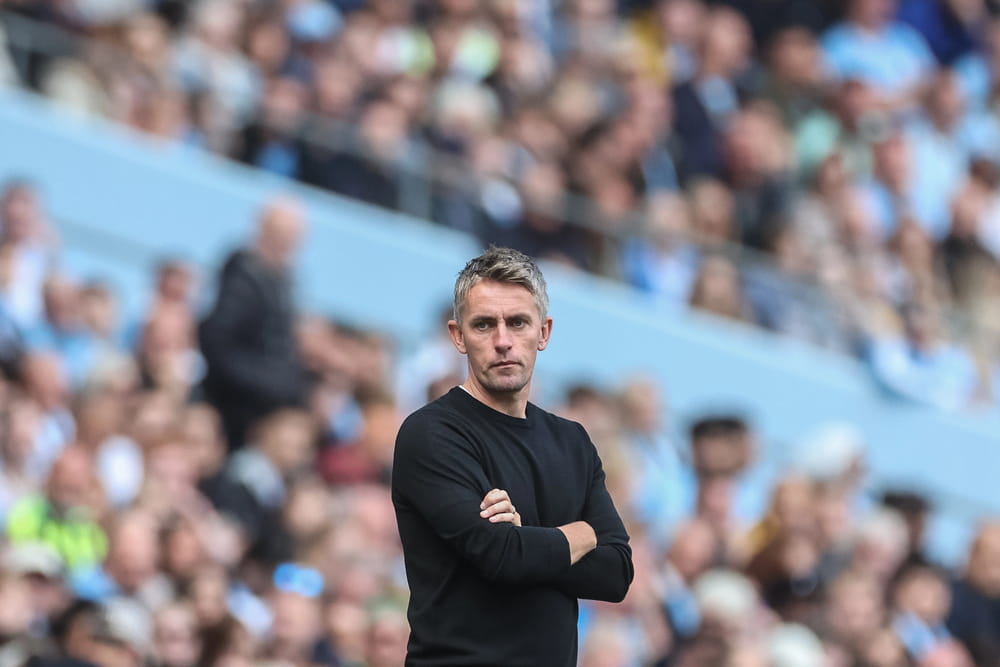
After developing his coaching skills in the Manchester United academy setup, Northern Irish tactician Keiran McKenna was given control of League One side Ipswich Town in 2021.
He achieved promotion to the Championship in his second season before returning the club to the Premier League the following campaign, and playing some impressive football along the way. Now on the hunt for a third career promotion, he's still yet to reach his 40th birthday.
Will Still
Will Still's time at Southampton was disappointing, but he should still be credited for the excellent work he did in Ligue 1, setting a league record at Stade de Reims for the longest unbeaten start by a manager (17 games) before guiding RC Lens to an eighth-place finish (just missing out on Europe).
This was all before Still's 33rd birthday; already, the Belgium-raised tactician has racked up almost a decade of coaching experience.
Tonda Eckert
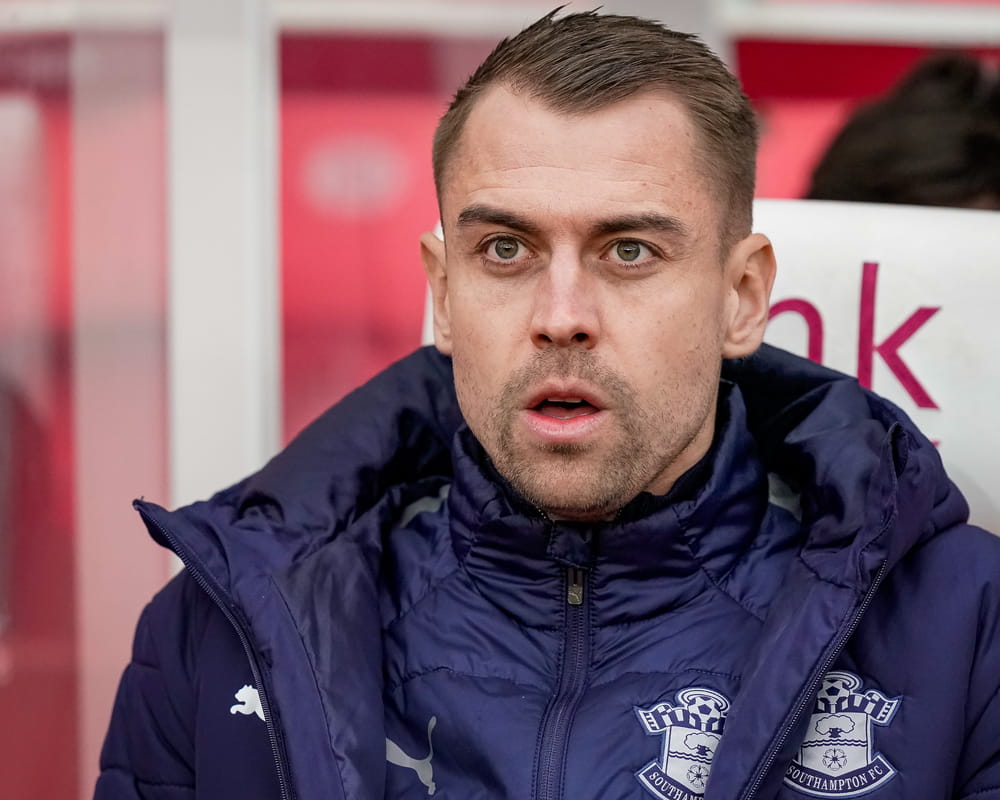
Still's replacement at Southampton deserves a mention for his transformation of the Championship club since being appointed in November 2025 as a completely unknown quantity, aged just 32.
He's overseen an incredible turnaround in form, with a 65.7% win rate in his first 35 games. Eckert has guided the club into the play-offs and you wouldn't bet against him taking them back into the Premier League, in his first-ever senior coaching job.
Why Are Top-Level Coaches Becoming Younger?
The high level of managerial turnover in Europe's Big Five leagues means statistics regarding head coach age can fluctuate. Still, there's no question that the number of coaches under 40 managing European competition-level clubs has risen.
Meanwhile, average age is broadly trending downwards: according to Transfermarkt, the average age of a Premier League manager at the start of the 2010/11 season was 51.2, whereas in 2024/25, it was down to 46.7.
62-year-old David Moyes is currently the oldest manager in the English top flight; however, in all but two of the last 15 seasons, there has been a manager older than that. As Nick Miller wrote in The Athletic in 2024, "there aren't any old-timers.
In 2024/25, Ange Postecoglou was briefly the division’s oldest manager at 59, underlining how far the league had shifted away from the era of long-serving, all-powerful veteran managers.
Emergence of the Sporting Director Role
A key thing to consider here is that most modern clubs favour a sporting director and head coach structure, rather than having a manager who effectively oversees everything related to the playing squad. In recent years, a vast array of new roles have become commonplace at top-flight clubs, from dedicated set-piece coaches to video analysts and an enhanced youth setup.
'Managers' no longer need to have the same level of power and authority that an older, wiser figure might be able to summon; instead, they can simply focus on first-team performance and leave other jobs to different specialists.
Sporting directors and owners like the fact that younger coaches typically prioritise training ground work, and are happy to leave things like recruitment and broader strategy to their bosses.
More Imaginative Appointments
Partly due to these shifts in club structure, many sporting directors are willing to take a gamble on an inexperienced coach with a high ceiling, because ultimately they know this individual will just be responsible for preparing the first team for matchdays, rather than a broader, more all-encompassing role.
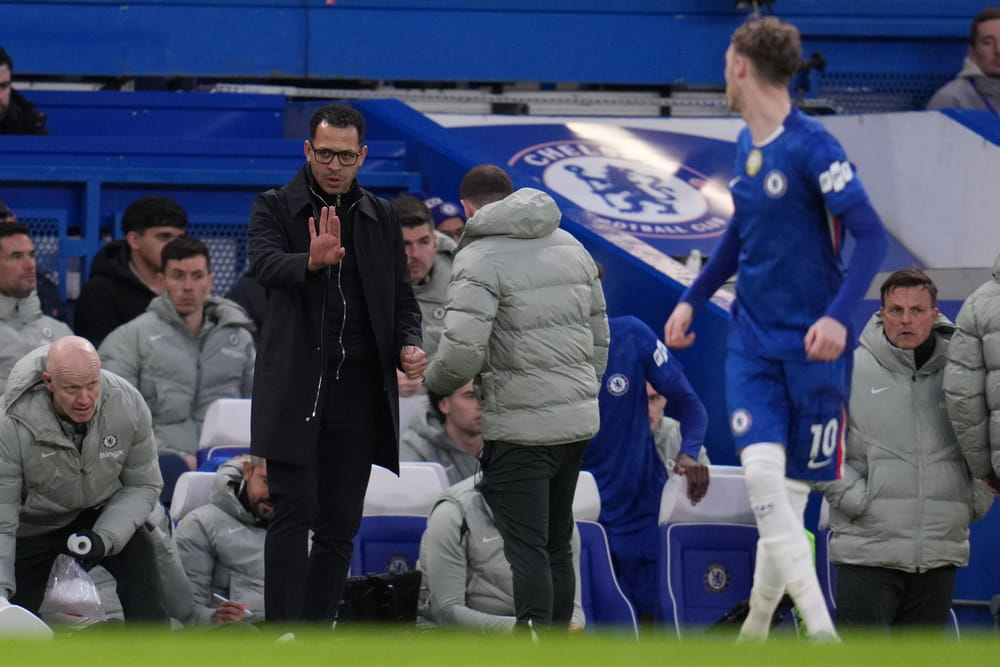
For example, 10 years ago, a club the size of Chelsea would've been unlikely to hand the manager's job to someone as untested at the top level as 40-year-old Liam Rosenior; however, the delegation of many key duties to other members of staff, with Rosenior focused on the training ground, likely made this appointment more plausible. However, this has clearly not resulted how the club may have wished, with Rosenoir being dismissed in April.
Schedule Intensity
In recent years, clubs all over Europe have struggled with increased fixture congestion, brought about by a mixture of tournament expansions, Covid-19-enforced delays, and cash-driven global tours for elite teams.
The schedule for top-flight clubs now is more intense and demanding than ever before, and head coaches need to be extremely active, energetic, and switched-on to keep up with it. Naturally, this task lends itself to younger coaches with more hunger and intensity.
Enhanced Relatability
There's also an argument that coaches of a similar age to the playing squad are better equipped to speak and relate to them on their own level.
Partly due to a rise in player power (influenced by astronomic wages and an increase in the role of agents), the days of Sir Alex Ferguson's famous 'hairdryer treatment' and harsh post-match dressing-downs in the changing room are over.
Instead, clubs are looking for coaches with a softer touch, who can relate to and bond with players more, perhaps demonstrating more emotional intelligence and showing an understanding of the differing styles of support needed by different members of the squad. Again, this is a job that can favour slightly younger and less old-school managers.
The Role of Data and Analytics
Another factor that has helped many young coaches rise to the highest level is the increased importance of data and analytics within the professional game.
Of course, there are lots of coaches in their 50s and 60s with a keen understanding and interest in data, and track records for utilising this knowledge at the top of the game; however, as a general rule, younger coaches are more likely to be data-led in their approach to coaching.
The success of younger, more data-led Premier League coaches like Fabian Hürzeler at Brighton, Andoni Iraola at Bournemouth, and previously Gary O'Neil at Wolves highlight how important this area of the game is for coaches today.
If you'd like to find out more about another interesting trend that has become noteworthy across top-level European football over the last few years, check out our article on why the Basque Country produces so many top coaches.

Author: Fred Garratt-Stanley
Lead Content Writer
Fred Garratt-Stanley is an experienced football writer and journalist, specialising in industry insights, tactical analysis, and the culture of the game. He has contributed to publications such as NME, GQ, The Quietus, and Resident Advisor. As Lead Content Writer at Jobs In Football, he focuses on providing reliable, research-driven articles to help people navigate careers in the football industry.


