The Role Of The Deep Lying Playmaker
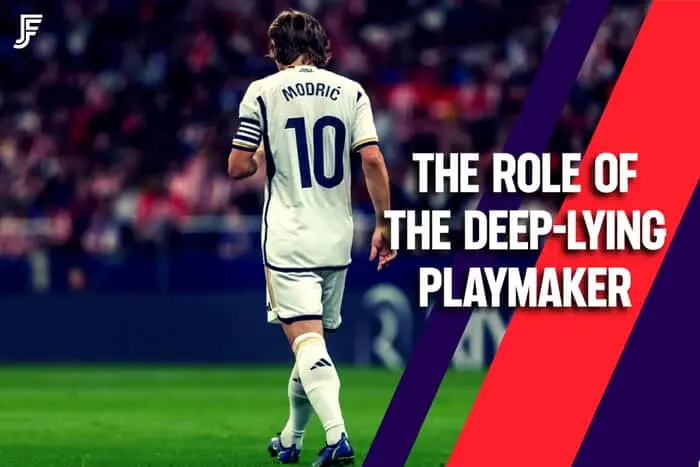
Attacking players are uniquely placed to get fans off their seats, bringing stadiums to life with their forward runs, dribbles, crosses, shots, and other assaults on goal. Those involved in creating chances often develop heroic status amongst supporters, particularly if they've got the vision to pick out a particularly special pass or through-ball.
Often, these kinds of operators are described as playmakers, referring to their focus on creating playing opportunities rather than breaking things up and disrupting the opposition. But there's a role on the pitch that takes that typical playmaker role and slightly subverts it.
In this article, we're going to be breaking that role down, explaining what a deep-lying playmaker is and detailing why it's important within modern football.
What Is A Deep Lying Playmaker?
A deep-lying playmaker is an attack-minded midfielder whose main priority is creating chances and contributing to offensive play with a mixture of clever movement and incisive passing.
The phrase 'deep-lying' comes from their position on the pitch: typically, these players will drop deep into defensive midfield areas, rather than floating around the opposition's half and trying to make things happen within the final third.
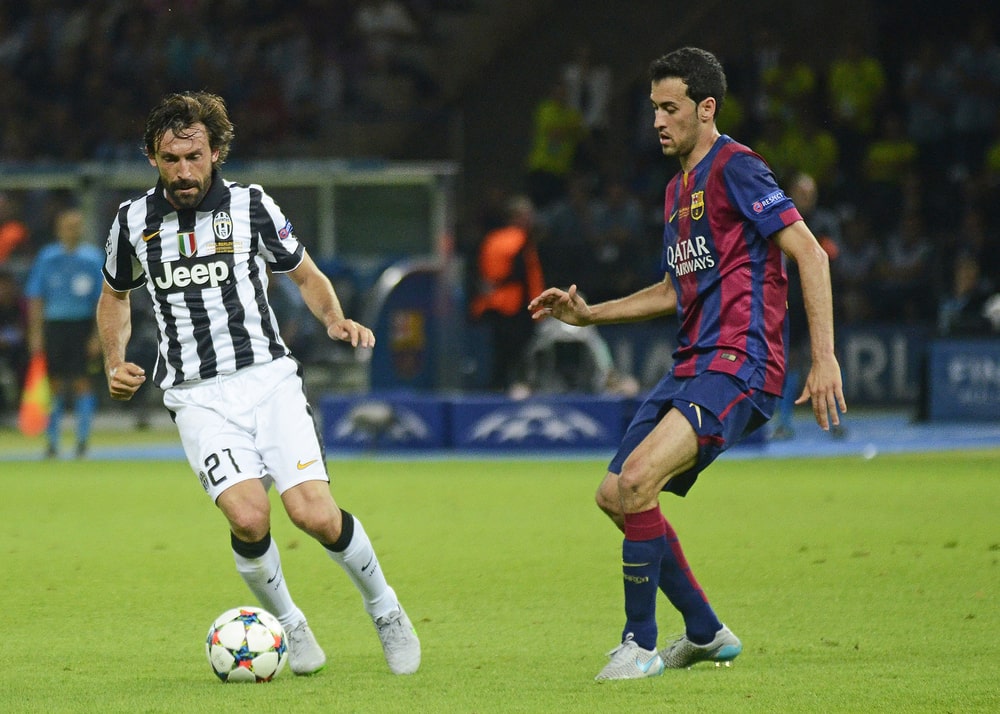
So while the role is like that of a typical playmaker, positionally, they're often closer to a defensive midfield pivot.
One of the key benefits of playing with a deep-lying creative midfielder is positional fluidity: it becomes much harder for opposition defenders to closely monitor and track key creative threats if they are consistently dropping into areas of the pitch that don't seem immediately threatening.
Given that they're not operating in the opposition's final third a huge amount, a deep-lying playmaker will typically be given a little bit more space and freedom, and the best players can use this space to achieve an expanded view of the pitch and pick out ambitious long-range passes.
What Does The Role Of The Deep Lying Playmaker Involve?
A deep-lying creator will sometimes push forward into more obviously offensive zones, but they'll regularly sit fairly close to their own defenders, picking up passes from the back line and attempting to spark attacks from deep positions.
This role is largely about linking defence, midfield and attack; sometimes, deep-lying playmakers will take charge of play and skip over one of these units in order to progress an attack quickly, but primarily their job is about linking up the lines using a range of short passes and longer balls.
At its core, this role is about dictating play. Deep-lying playmakers pride themselves on being the types of players capable of controlling the rhythm and tempo of the game, typically enjoying more touches on the ball than virtually anyone else, and heavily influencing how a team chooses to behave when in possession.
Informed by the principles of play, it’s likely that a manager will instruct central midfielders to progress the ball in a certain way, and deep-lying playmakers might consistently refer back to these instructions in a match.
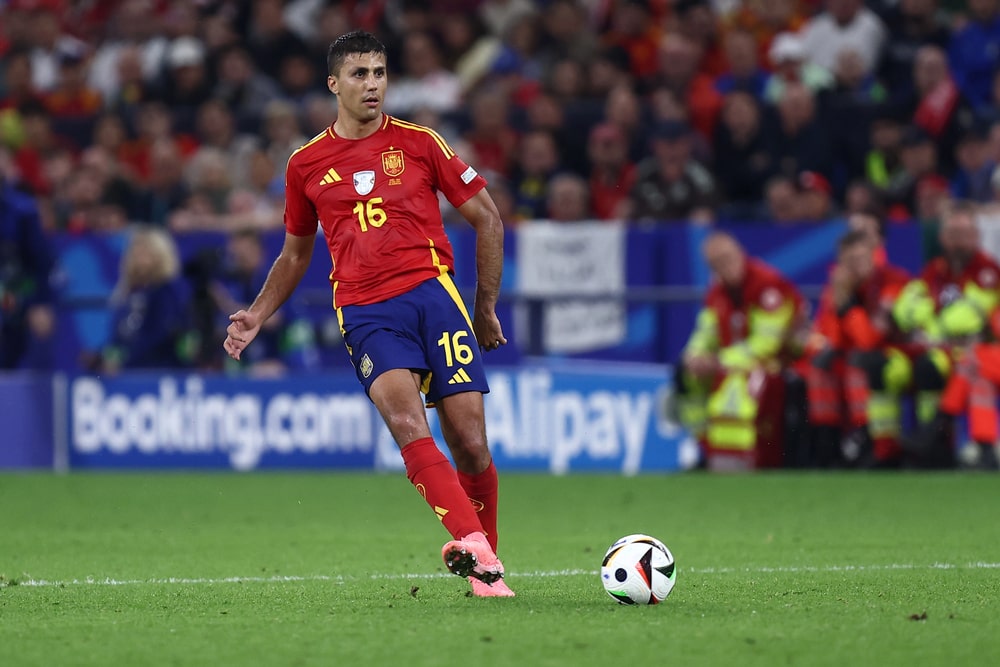
However, as some of the most technically gifted players on the pitch, they’ll frequently have the license to be creative and take the game by the scruff of the neck.
Key Skills And Attributes For A Deep Lying Playmaker
In order to dictate the tempo of a game from a deep base in central midfield, a range of different skills are needed.
#1. Regular Movement
You might think that because a deep-lying playmaker tends to orchestrate things from more defensive areas, this role is less dynamic and high-energy than that of some other creative midfielders.
While they may not run huge distances in comparison with other midfield players, the trick to being an effective deep-lying playmaker comes from constant, fluid movement, showing for the ball whenever possible, and getting into space so that defenders and midfielders alike can pass the ball to your feet.
#2. Spatial Awareness
This goes hand in hand with the previous point; these players must constantly be aware of the different obstacles and opportunities around them. Are they being pressed hard, or is there space to take a few touches and buy teammates time to make a run forward? Do they need to bounce the ball back to a centre-back first time, or can they quickly open out space on the flank by switching it to a full-back?
Spaces on the pitch are always opening up and closing, and deep-lying playmakers must be super aware of these changes at all times.
#3. Passing Range
Another vital skill is the ability to pick out passes that other players on the pitch wouldn’t dare attempt. Arcing balls over the top, ambitious diagonals, cutting through-balls to onrushing strikers, as well as more basic short passes, should all be in a deep-lying playmaker’s locker.
When you’re stationed further back, your passing range can be the difference when it comes to constructing goal-scoring opportunities.
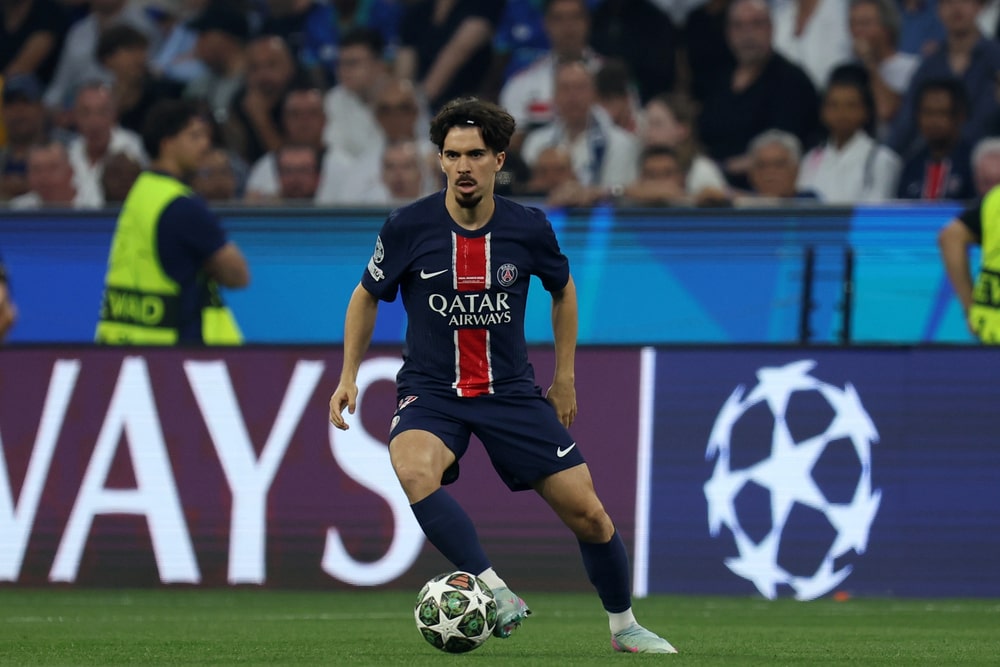
#4. Composure
All these skills must be demonstrated with calmness and composure; when you’re responsible for dictating the tempo of a game from midfield, it’s crucial that you don’t rush things or panic when pressed with intensity.
There will always be bodies in central areas, and it’s important not to let the congestion or high-stakes feel of a match affect your ability to pick out passes and create chances from deeper zones.
Examples Of Modern Deep Lying Playmakers
Listed below are a few elite players who have helped make this role more mainstream in recent years.
Luka Modric
As veteran Croatia captain Luka Modric has reached the twilight years of his incredibly long and decorated career, his qualities as a deep-lying playmaker have become even more pronounced.
While he may no longer be able to complete the intense runs and presses required of a more archetypal attacking midfielder, his ability to dictate play from a deeper midfield position has not wavered. With an incredible range of passes up his sleeve, and an acute understanding of tactics, space and positioning, Modric is one of the greatest midfielders of the 21st century, and he's consistently pulled the strings at the very highest level from a deep-lying playmaker position.
Andrea Pirlo
The Italy icon had an extremely casual, effortless vibe about him when operating at the peak of his powers; he would complete incredible switches, diagonals, deep crosses, and piercing through-balls with a breezy swagger that typified this more composed, deep-lying playmaker position.
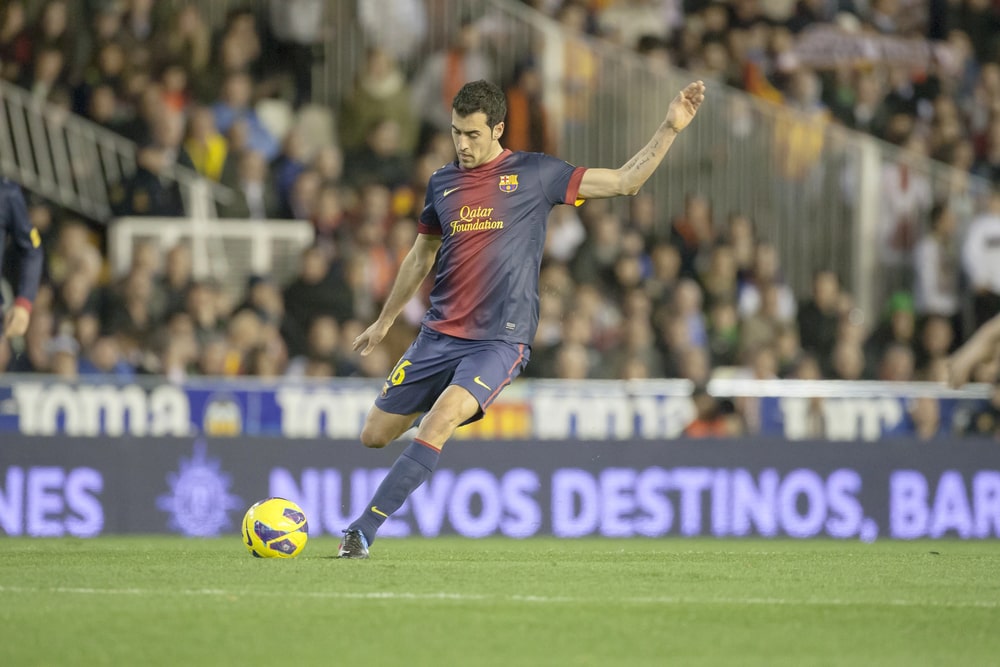
Sergio Busquets
One of the most technically gifted central midfielders we’ve seen in the modern era, the Barcelona star was excellent at receiving passes from defenders under pressure and casually swivelling and turning past opponents.
His poise, grace, footwork, and excellent passing ability made him a classic example of the benefits of having a creative ball player in a deep defensive area.
Alexis Mac Allister
Since joining Liverpool in 2023, World Cup-winning Argentina international Alexis Mac Allister has occupied a number of different roles on the pitch.
As well as often venturing further up the pitch, he's frequently been deployed as a deep-lying playmaker, where his passing range, clever movement, and ability to spark quick, disruptive passing combinations with teammates have been extremely useful.
He may not be as famous as a deep-lying playmaker as someone like Andrea Pirlo, but he's one of the key figures pioneering this role today.
What Is The Regista Role?
The Italians have always been good at creating catchy terms to describe different roles and tactical setups on the football pitch. One of the most influential terms coined in Italy during the 20th century was the regista role, which is still used today.
Pioneered by two-time World Cup winner Vittorio Pozzo in the 1930s, and translating as “director”, this tactical role focuses on directing in-possession play, keeping control of the pace and tempo of the game.
Sound familiar? Many people view the regista role as being effectively the same as the role of the deep-lying playmaker. There are a huge number of similarities, and given that different coaches will ask their deep midfielders to complete different tasks, it's pretty tricky to pin down exactly what the difference is.
The main place where there are notable differences between these two positions is on the popular computer game Football Manager.
On recent editions of FM, the key difference between the regista role and the deep-lying playmaker role is that the former is more aggressive and demanding, constantly showing for the ball and attempting to influence the game in-possession, while the latter is more likely to sit back and wait for the ball to come to them, spraying passes around from deeper areas when they do gain possession.
At the highest level of the professional game, it's rare that a player will specifically be described as one or the other. Ultimately, the likes of Pirlo, Modric, or Mac Allister have plenty of qualities traditionally associated with the regista role, but the most accurate way to describe their game would probably be the broader term 'deep-lying playmaker'.
Want to find out about another highly specialised position within the modern game? Check out our in-depth guide to the role of the False 9.

Author: Fred Garratt-Stanley
Lead Content Writer
Fred Garratt-Stanley is an experienced football writer and journalist, specialising in industry insights, tactical analysis, and the culture of the game. He has contributed to publications such as NME, GQ, The Quietus, and Resident Advisor. As Lead Content Writer at Jobs In Football, he focuses on providing reliable, research-driven articles to help people navigate careers in the football industry.


